25 Causes of Raised Skin Bumps
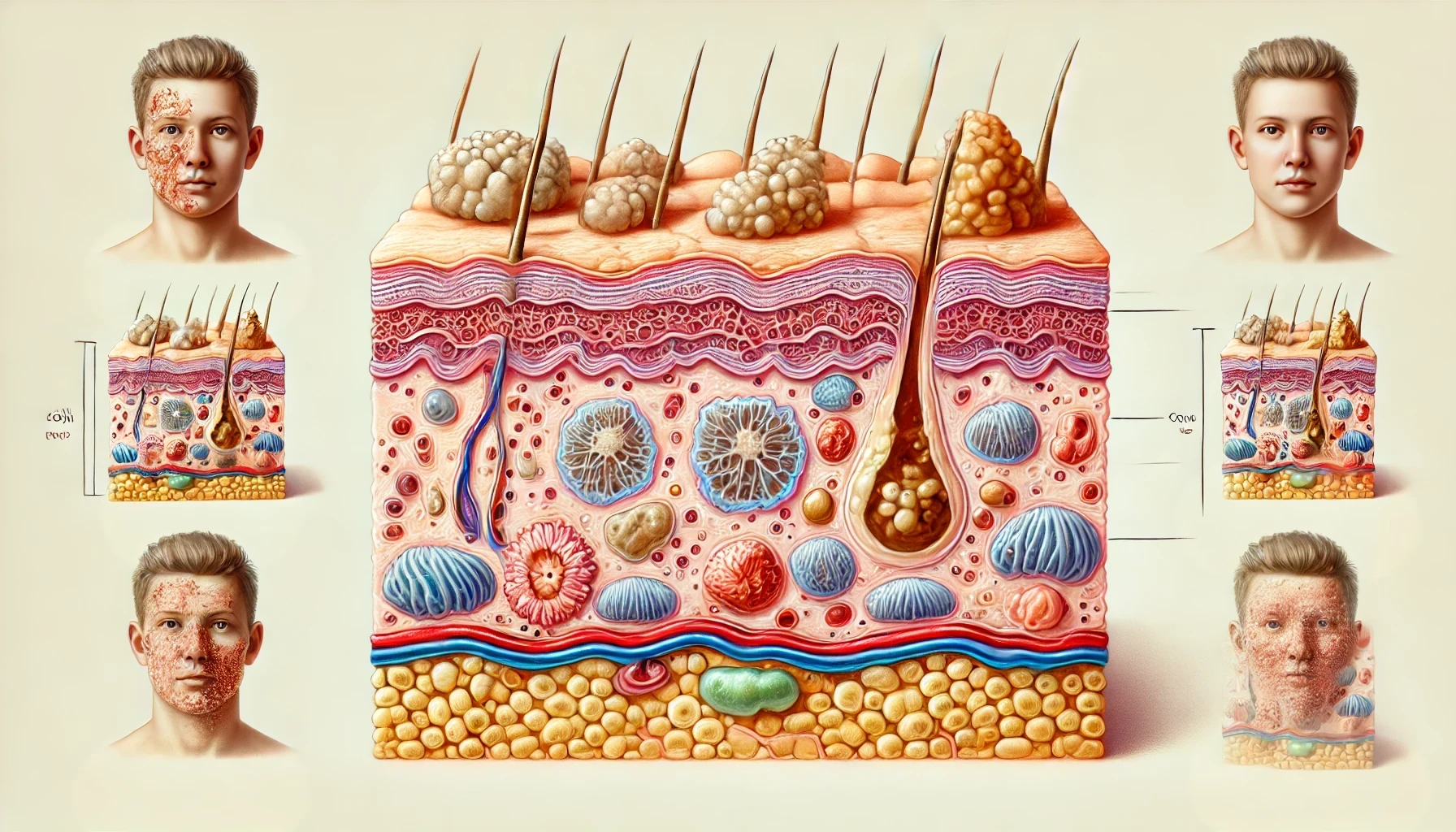
Check out this answer from Consensus: Raised skin bumps can be a cause of concern for many people. It can result from a variety of causes, ranging from benign conditions like warts and lipomas to more serious concerns such as melanoma. They can appear suddenly and vary in size, shape, and color. Understanding the various causes of raised skin bumps can help in identifying the appropriate treatment and knowing when to seek medical advice.
25 Common Causes of Raised Skin Bumps:
1. Hives (Urticaria)
Hives are raised bumps caused by irritation in the upper layers of the skin. They can be pale or red and are very itchy. Hives are often oval or round but can take other shapes and may combine to form larger hives. They sometimes occur with deeper skin inflammation, causing swelling and pain. Hives can be part of a serious allergic reaction, which may include symptoms like dizziness, stomach cramps, swelling, or trouble breathing 1.
2. Warts
Warts are small, grainy skin growths caused by the human papillomavirus (HPV). They are usually rough to the touch and can appear on any part of the body. Warts are contagious and can spread through direct contact with the wart or something that touched the wart 2.
3. Moles
Moles are common skin growths that are usually brown or black. They can appear anywhere on the skin, alone or in groups. Most moles are harmless, but some can develop into melanoma, a serious form of skin cancer. It's important to monitor moles for any changes in size, shape, or color 2.
4. Skin Tags
Skin tags are small, soft, flesh-colored growths that hang off the skin. They are usually found on the neck, armpits, around the groin, or under the breasts. Skin tags are harmless and typically do not cause pain or discomfort unless they are irritated by clothing or jewelry 2.
5. Dermatofibromas
Dermatofibromas are small, firm, raised bumps that are usually red, brown, or purple. They are benign and often appear on the legs. Dermatofibromas can be itchy or tender to the touch but are generally harmless 2.
6. Lipomas
Lipomas are soft, fatty lumps that grow under the skin. They are usually painless and move easily when touched. Lipomas are benign and typically do not require treatment unless they cause discomfort or cosmetic concerns 2.
7. Epidermoid Cysts
Epidermoid cysts are small, round lumps under the skin, often filled with a thick, yellowish substance. They can appear anywhere on the body but are most common on the face, neck, and trunk. These cysts are usually harmless but can become infected or inflamed 2.
8. Melanoma
Melanoma is a serious form of skin cancer that develops in the cells that produce melanin. It can appear as a new mole or a change in an existing mole. Melanomas are often asymmetrical, have irregular borders, and vary in color. Early detection and treatment are crucial for a better prognosis 2.
9. Non-Melanoma Skin Cancers
Non-melanoma skin cancers, such as basal cell carcinoma and squamous cell carcinoma, are more common than melanoma. They often appear as persistent, non-healing sores or growths that may bleed or crust over. These cancers are usually less aggressive than melanoma but still require medical attention 2.
10. Allergic Reactions
Allergic reactions can cause raised, itchy bumps on the skin, known as hives. These reactions can be triggered by various allergens, including foods, medications, insect stings, and environmental factors. Identifying and avoiding the allergen is key to preventing future reactions 1.
11. Insect Bites
Insect bites can cause raised, red, and itchy bumps on the skin. Common culprits include mosquitoes, fleas, and bedbugs. In some cases, insect bites can lead to more severe reactions or infections, requiring medical treatment 1.
12. Folliculitis
Folliculitis is the inflammation of hair follicles, often caused by bacterial or fungal infections. It appears as small, red bumps or white-headed pimples around hair follicles. Folliculitis can be itchy and uncomfortable but is usually treatable with proper hygiene and topical medications 2.
13. Acne
Acne is a common skin condition that occurs when hair follicles become clogged with oil and dead skin cells. It can result in various types of bumps, including whiteheads, blackheads, pimples, and cysts. Acne is most common on the face, chest, and back 2.
14. Psoriasis
Psoriasis is a chronic autoimmune condition that causes the rapid buildup of skin cells, leading to thick, red, scaly patches. These patches can be itchy and painful and are most commonly found on the elbows, knees, and scalp 2.
15. Eczema
Eczema, or atopic dermatitis, is a condition that makes the skin red, inflamed, and itchy. It can cause raised bumps that may ooze and crust over. Eczema is often triggered by allergens, irritants, or stress and requires ongoing management 2.
16. Rosacea
Rosacea is a chronic skin condition that causes redness and visible blood vessels on the face. It can also produce small, red, pus-filled bumps. Rosacea flare-ups can be triggered by various factors, including sun exposure, hot drinks, and spicy foods 2.
17. Keratosis Pilaris
Keratosis pilaris is a common, harmless skin condition that causes small, rough bumps, usually on the upper arms, thighs, cheeks, or buttocks. These bumps are caused by the buildup of keratin, a protein that protects the skin from infections 2.
18. Seborrheic Keratosis
Seborrheic keratosis is a non-cancerous skin growth that appears as a brown, black, or light tan bump. These growths are often waxy, scaly, and slightly raised. They are common in older adults and usually do not require treatment 2.
19. Molluscum Contagiosum
Molluscum contagiosum is a viral infection that causes small, flesh-colored or pink bumps with a dimple in the center. It is contagious and can spread through direct contact or contaminated objects. The bumps usually resolve on their own but can be treated if necessary 2.
20. Cherry Angiomas
Cherry angiomas are small, red, benign growths made up of blood vessels. They are common in adults over 30 and can appear anywhere on the body. Cherry angiomas are usually harmless but can be removed for cosmetic reasons 2.
21. Neurofibromas
Neurofibromas are benign nerve sheath tumors that appear as soft, flesh-colored bumps on or under the skin. They are associated with neurofibromatosis, a genetic disorder that causes tumors to form on nerve tissue 2.
22. Keloids
Keloids are raised, thickened areas of scar tissue that form at the site of a skin injury. They can be larger than the original wound and may continue to grow over time. Keloids are more common in people with darker skin and can be treated with various methods 2.
23. Dermatofibrosarcoma Protuberans
Dermatofibrosarcoma protuberans (DFSP) is a rare type of skin cancer that starts in the dermis and can invade deeper tissues. It appears as a firm, raised nodule that may be skin-colored, reddish, or purplish. DFSP requires surgical removal 2.
24. Lymphoma of the Skin
Cutaneous lymphoma is a type of cancer that begins in the lymphocytes (a type of white blood cell) and affects the skin. It can cause red, scaly patches or raised bumps and requires specialized treatment 2.
25. Metastatic Cancer
Sometimes, a lump in the skin may be a metastasis from an internal cancer. These lumps can vary in appearance and may be accompanied by other symptoms related to the primary cancer. Prompt medical evaluation is essential for proper diagnosis and treatment 2.
When to Seek Medical Advice
While many raised skin bumps are benign, it is crucial to monitor any changes in their appearance. A low threshold for seeking medical advice is recommended, especially for pigmented lesions or those without an obvious diagnosis. In some cases, a lump may originate from an internal source, such as a metastasis or lymph node, necessitating further investigation 1.
Understanding the various causes of raised skin bumps can help in identifying the appropriate course of action. If you notice any new or unusual bumps on your skin, it's important to consult with a healthcare professional for an accurate diagnosis and treatment plan.
Start searching for free in Consensus!
Consensus searches through 220M+ peer reviewed research papers and provides you the best insights from them. Helping you find better papers, faster.

Sign Up