Are Off-Shore Wind Farms Dangerous to Marine Wildlife?
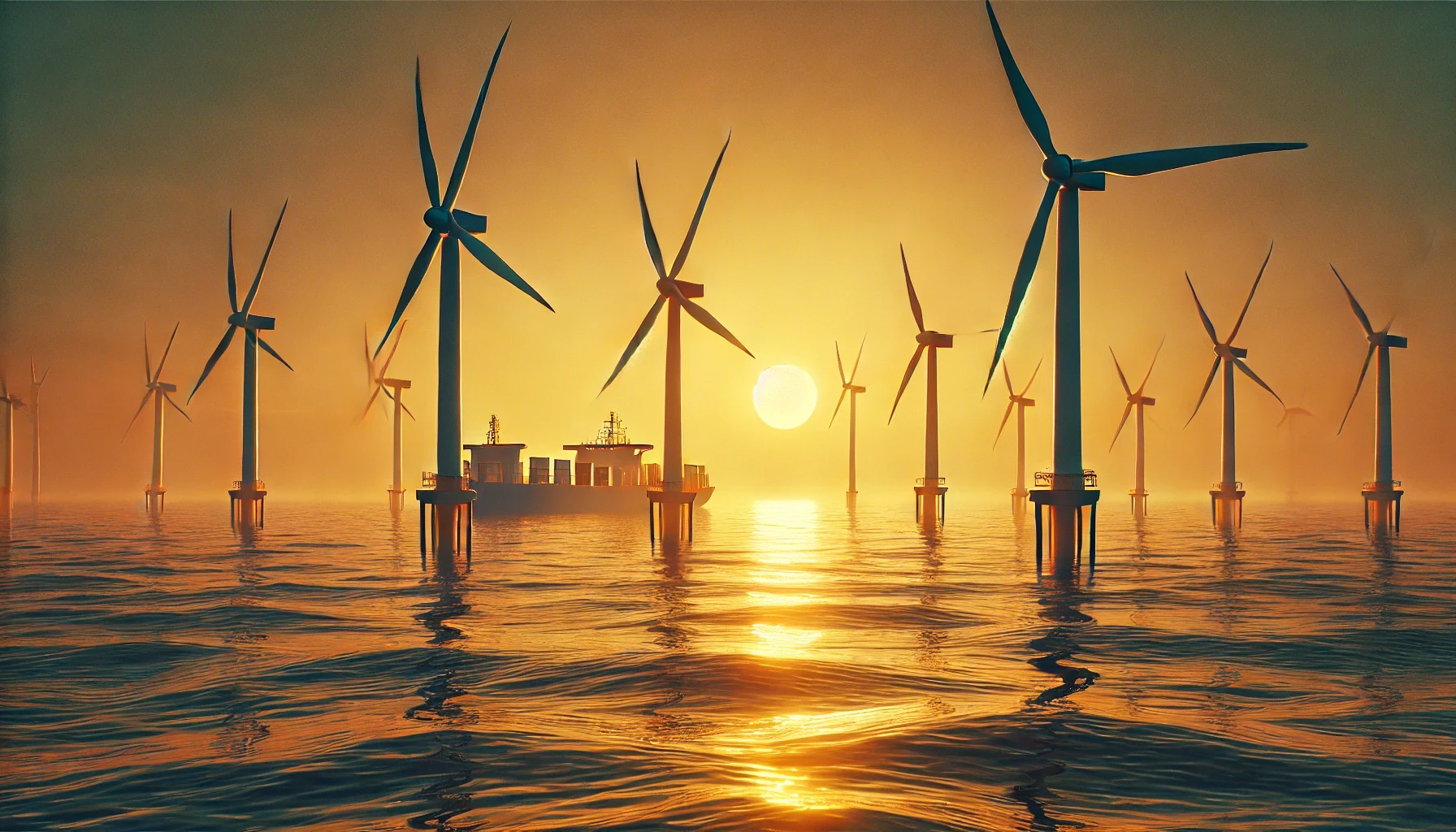
Check out this answer from Consensus:
Offshore wind farms present both risks and opportunities for marine wildlife. While construction phases can temporarily displace species and create noise disturbances, operational phases may have less significant long-term impacts. The introduction of hard substrates can enhance local biodiversity through the reef effect. However, marine birds and certain fish species may face ongoing risks from collisions and habitat changes. Careful planning, monitoring, and mitigation strategies are essential to minimize negative impacts and enhance the positive effects of offshore wind farms on marine ecosystems.
The potential impact of offshore wind farms on marine wildlife is a critical area of study, especially as the development of renewable energy sources accelerates. Understanding these impacts is essential for balancing the benefits of renewable energy with the conservation of marine ecosystems.
Key Insights
Displacement and Abundance of Marine Species:
Offshore wind farms can cause temporary displacement of marine species during construction, but long-term operational phases may not significantly affect their abundance. For example, harbor porpoises showed reduced abundance during construction but not during operation, while common guillemots were unaffected throughout all phases1.
The construction phase is generally more disruptive to marine life, necessitating careful planning and mitigation strategies to minimize impacts3.
Reef Effect and Habitat Alteration:
Offshore wind farms can create new habitats through the "reef effect," where the structures provide hard substrates that attract various marine species, potentially increasing local biodiversity2.
This effect can lead to increased abundance of certain fish species within wind farm areas compared to nearby reference sites4.
Impact on Marine Birds:
Marine birds face risks from collision with wind turbines and displacement from their habitats. Species with higher flight altitudes and lower maneuverability are more vulnerable to collisions5 6.
The impact on bird populations can vary seasonally and annually, influenced by changes in food availability and breeding behaviors8.
Noise and Electromagnetic Disturbances:
Sediment and Water Quality:
Offshore wind turbines can create turbid wakes, increasing suspended sediments in the water. This can affect light penetration and sediment transport, potentially impacting marine habitats and species9.
Are off-shore wind farms dangerous to marine wildlife?
Robert Steneck has answered Unlikely An expert from University of Maine in Oceanography, Marine Biology
Generally not. One could make the case they form reef-like structures that attract marine life and because fishing pressure must go around them, they are tiny no-take reserves.
Are off-shore wind farms dangerous to marine wildlife?
Steven Campana has answered Unlikely An expert from University of Iceland in Oceanography, Fisheries Sciences, Marine Ecology
Humans see offshore wind farms as tall structures reaching skyward with slowly-spinning blades. It is these moving blades that have the potential to harm seabirds flying through the area, since the birds may misjudge the speed at which the blades move, and thus can be accidentally struck. In most cases, the number of birds so affected is quite small, but if a wind farm were placed on a route normally transited by seabirds as they forage, then the affected numbers would increase. But for underwater marine life, the situation is very different. Fish and other aquatic organisms see only the underwater supporting structure, which is embedded in the seabed and stretches to the water surface in a frame-like structure. This supporting structure does not move, and thus is easily avoided. Perhaps more importantly, the structure provides new surfaces and habitats for colonizing organisms, both for sessile invertebrates like barnacles and corals, and for crevice-dwelling fishes and motile invertebrates. Habitat availability is often the limiting factor for marine organisms requiring a crevice or surface upon which to attach, so increased habitat surfaces (like the undersea wind farm structure) increase the local carrying capacity of the region. Thus the underwater structure is not only very unlikely to harm underwater marine life, it actually tends to increase local diversity and abundance of many marine creatures. This principle is well established in marine biology, and is the basis for artificial reefs used to increase diversity and fish abundance, such as intentionally-sunken decommissioned ships and oil rigs.
Start searching for free in Consensus!
Consensus searches through 220M+ peer reviewed research papers and provides you the best insights from them. Helping you find better papers, faster.

Sign Up