Bacterial and Viral Infections: The Differences Explained
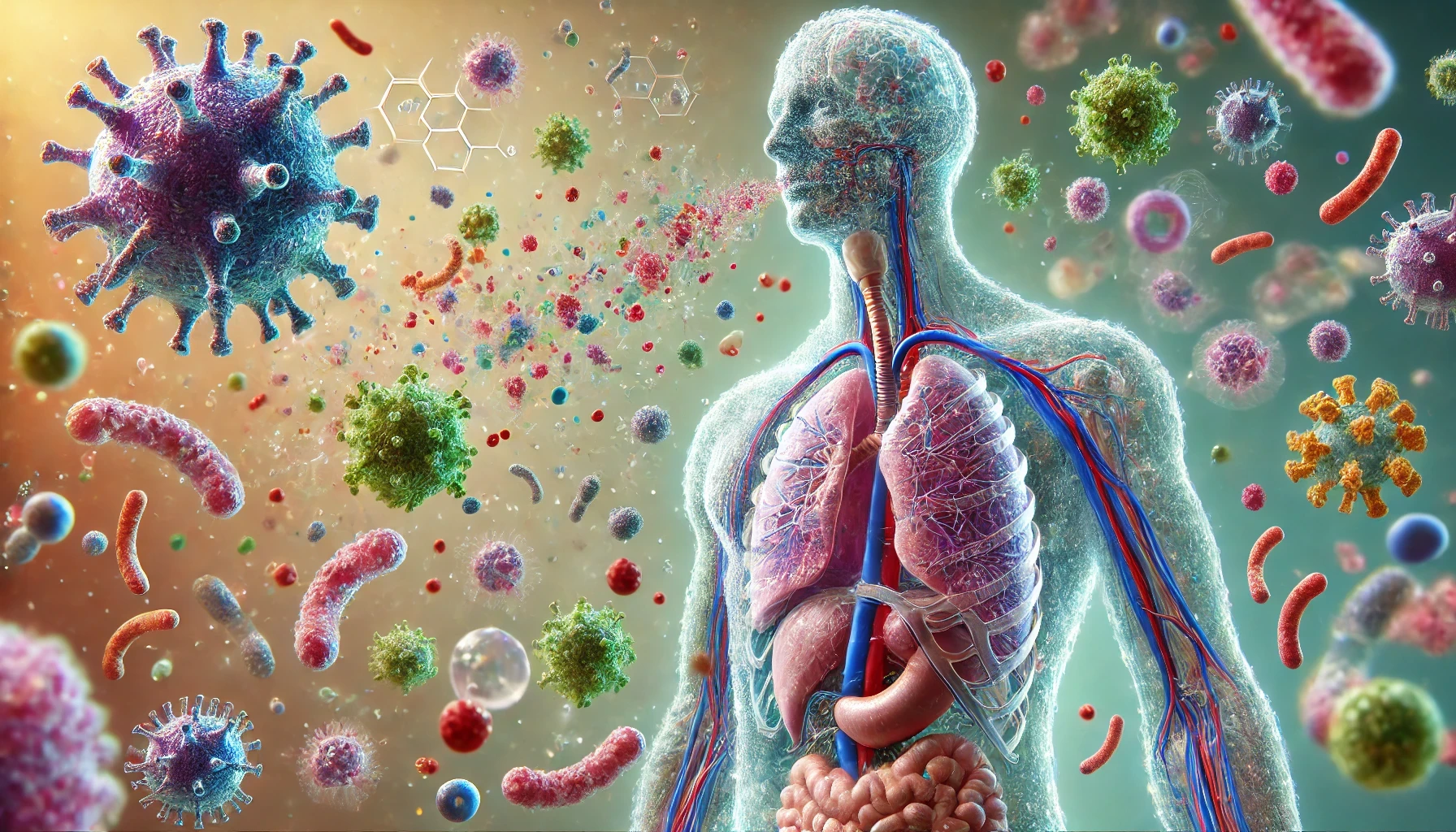
This post was written with Consensus AI Academic Search Engine - please read our Disclaimer at the end of this article. Understanding the differences between bacterial and viral infections is essential for effective clinical management. Advances in diagnostic markers and a deeper understanding of immune responses and co-infections are paving the way for more targeted and effective treatments. Continued research in this field will undoubtedly lead to better outcomes for patients suffering from these infections.
Bacterial and viral infections are two of the most common causes of illness in humans. Despite their prevalence, they differ significantly in their pathogenesis, diagnosis, and treatment. Understanding these differences is crucial for effective clinical management and the development of targeted therapies.
Pathogenesis
Bacterial Infections
Bacteria are part of the normal flora of the human body and can be beneficial. However, when they invade sterile areas or their growth becomes uncontrolled, they can cause infections. Bacterial infections often result from the establishment of a relationship between the host and the bacteria, which can be either beneficial or harmful1.
Viral Infections
Viruses, unlike bacteria, are not part of the normal flora. They require a host cell to replicate and often cause disease by hijacking the host's cellular machinery. Viral infections are typically characterized by high contagiousness and can lead to a wide range of diseases1 5.
Diagnostic Challenges
Clinical Features
Differentiating between bacterial and viral infections based solely on clinical features is challenging due to the similarity in symptom presentation. This makes timely and accurate diagnosis crucial for effective treatment2 7.
Diagnostic Markers
Recent advances have identified specific markers that can help differentiate between bacterial and viral infections. For instance, the expression of complement receptors on neutrophils and the clinical infection score (CIS) point have shown high sensitivity and specificity in distinguishing between these types of infections2. Additionally, the estimated C-reactive protein (CRP) velocity (eCRPv) has been found useful in differentiating between bacterial and viral infections, especially in acute febrile illnesses7.
Immune Response
Primate Studies
Studies on primates have shown that humans and other apes mount a stronger early transcriptional response to both bacterial and viral infections compared to other primates. This heightened response involves a broader array of defense molecules, which may be beneficial for early pathogen killing but comes at the cost of increased energy expenditure and potential tissue damage4.
Non-Coding RNAs and Reactive Oxygen Species
Non-coding RNAs (ncRNAs) and reactive oxygen species (ROS) play significant roles in the pathogenesis of both bacterial and viral infections. These elements can be used to achieve a more complete description of pathogen-driven conditions, opening new avenues for diagnosis and treatment5.
Co-Infections
Respiratory Tract
Viral and bacterial co-infections in the respiratory tract are common and often associated with increased severity of illness. For example, bacterial superinfections following primary influenza infection have been a significant cause of mortality during influenza pandemics. Understanding the mechanisms underlying these co-infections is crucial for developing effective diagnostic and therapeutic strategies6 10.
Intestinal Tract
In the intestinal tract, bacterial and viral co-infections can also occur, affecting disease progression through synergistic or antagonistic interactions. These interactions involve multiple aspects of inflammatory and immune signaling, neuroimmunity, nutritional immunity, and the gut microbiome9.
Therapeutic Implications
The co-infection of viruses and bacteria often results in heightened pathology and severity of illness. Current management strategies focus on diagnosing and treating these co-infections effectively. Further research is needed to develop new therapeutic approaches aimed at mitigating the severity of co-infections10.
Disclaimer
The content presented in this blog is generated by Consensus, an AI-powered academic search engine, and is based on publicly available scientific literature. While every effort is made to provide accurate, up-to-date, and well-researched information, the content is intended for informational and educational purposes only. It does not constitute medical advice, diagnosis, or treatment. Always consult a qualified healthcare professional before making any decisions regarding medical conditions, treatments, or medications. The AI system's analysis may not cover all perspectives, emerging research, or individual cases, and it is not a substitute for professional expertise. Neither the blog publisher nor the developers of the AI-powered search engine are responsible for any actions taken based on the information provided in this content. Use of this information is at your own risk. Citations to the original scientific studies are included for reference, but these studies should be reviewed in full and interpreted with the guidance of a healthcare or research professional. If you are experiencing a medical emergency, please seek immediate attention from a healthcare provider.
Start searching for free in Consensus!
Consensus searches through 220M+ peer reviewed research papers and provides you the best insights from them. Helping you find better papers, faster.

Sign Up