
Discharge From a Dog's Eyes
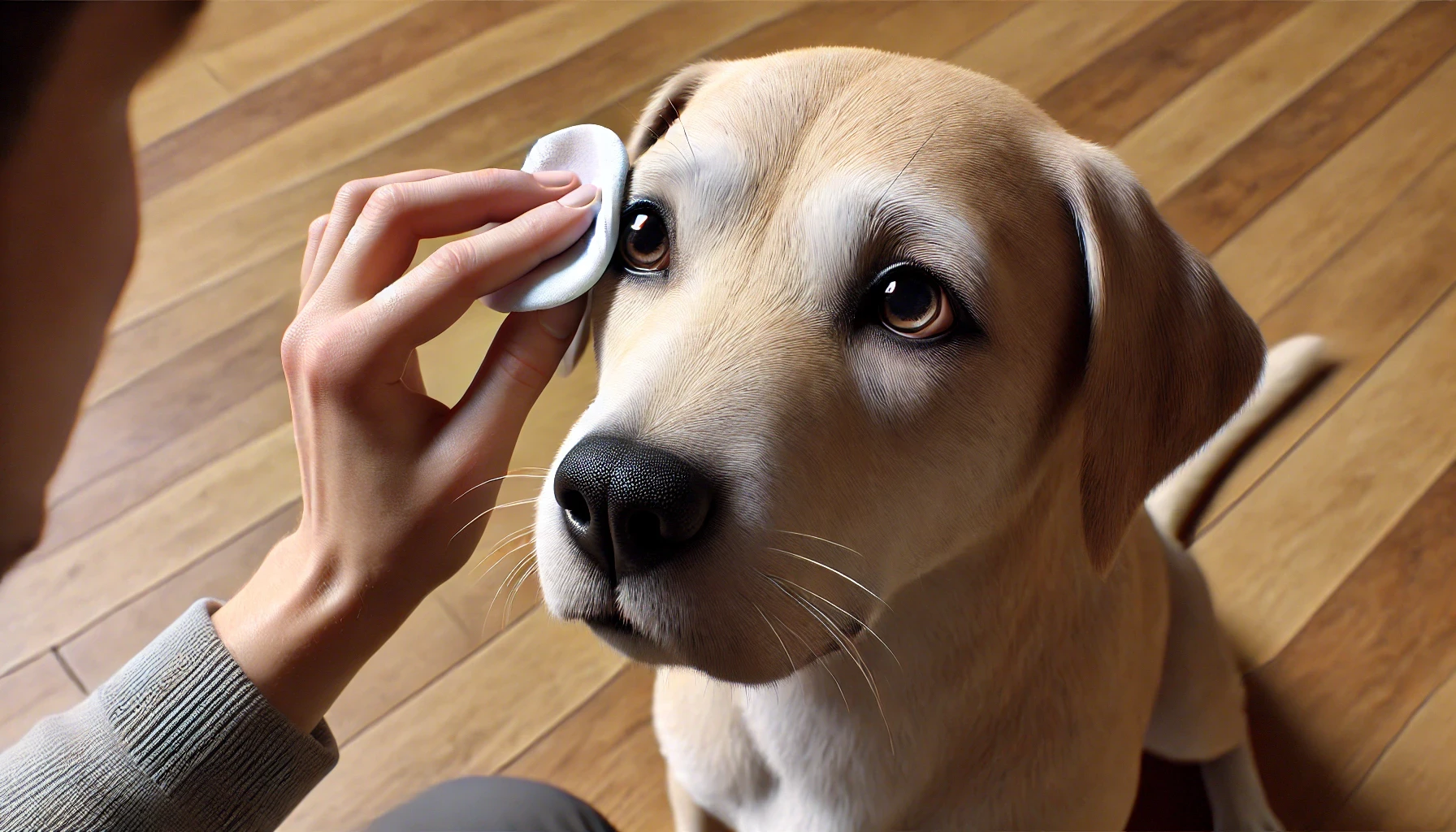
This post was written with Consensus AI Academic Search Engine - please read our Disclaimer at the end of this article. Ocular discharge in dogs can be caused by various conditions, including parasitic infections, conjunctivitis, and keratoconjunctivitis sicca. Effective treatments are available, ranging from antiparasitic medications to anti-inflammatory and immunosuppressive therapies. Early diagnosis and appropriate treatment are essential for managing these conditions and maintaining the ocular health of dogs.
Ocular discharge in dogs can be a symptom of various underlying conditions, ranging from mild irritations to severe infections. Understanding the causes and treatments of eye discharge is crucial for maintaining the ocular health of dogs. This article explores the different causes of eye discharge in dogs, the associated symptoms, and the available treatments based on recent research findings.
Causes of Ocular Discharge
Thelazia Callipaeda Infection
Thelazia callipaeda, a parasitic eyeworm, is a significant cause of ocular discharge in dogs. This parasite has been increasingly reported in several European countries over the past two decades. Both adult and larval stages of T. callipaeda can cause symptoms ranging from mild lacrimation and ocular discharge to severe conjunctivitis, keratitis, and corneal ulcers1.
Conjunctivitis
Conjunctivitis, an inflammation of the conjunctiva, can also lead to ocular discharge. It can be induced experimentally using histamine, which causes conjunctival hyperemia, chemosis, ocular pruritus, and discharge. This condition disrupts the blood-tear barrier, affecting tear film stability and composition2.
Keratoconjunctivitis Sicca (KCS)
Keratoconjunctivitis sicca, commonly known as dry eye, is another condition that results in ocular discharge. It is characterized by a deficiency in the tear aqueous fraction, leading to inflammation and discharge. Treatments often involve immunosuppressive therapies, but the response can vary depending on the severity of the condition4 5 6.
Symptoms Associated with Ocular Discharge
Mild Symptoms
Lacrimation
Ocular discharge
Epiphora (excessive tearing)
Severe Symptoms
Conjunctivitis
Keratitis
Corneal opacity or ulcers
Ocular pruritus
Chemosis (swelling of the conjunctiva)
Treatments for Ocular Discharge
Antiparasitic Treatments
For infections caused by T. callipaeda, treatments with imidacloprid 10% and moxidectin 2.5% have shown high efficacy. In a study, dogs treated with this combination showed 100% efficacy in eliminating the parasite1. Another study demonstrated that monthly administrations of milbemycin oxime/afoxolaner (NexGard Spectra®) provided 100% preventive efficacy against T. callipaeda infection3.
Anti-inflammatory and Immunosuppressive Treatments
For conditions like KCS, treatments with tacrolimus have been effective in increasing tear production and reducing clinical signs of ocular discharge and hyperemia. However, the addition of oclacitinib to tacrolimus did not show additional benefits4. Adjunctive therapies using products like Vizoovet have also been found to be as effective as other treatments in improving clinical signs of dry eye5.
Antihistamine Treatments
Topical antihistamines like olopatadine hydrochloride can be beneficial in treating allergic conjunctivitis. These treatments can reduce the degree and duration of clinical signs when used prophylactically7.
Disclaimer
The content presented in this blog is generated by Consensus, an AI-powered academic search engine, and is based on publicly available scientific literature. While every effort is made to provide accurate, up-to-date, and well-researched information, the content is intended for informational and educational purposes only. It does not constitute medical advice, diagnosis, or treatment. Always consult a qualified healthcare professional before making any decisions regarding medical conditions, treatments, or medications. The AI system's analysis may not cover all perspectives, emerging research, or individual cases, and it is not a substitute for professional expertise. Neither the blog publisher nor the developers of the AI-powered search engine are responsible for any actions taken based on the information provided in this content. Use of this information is at your own risk. Citations to the original scientific studies are included for reference, but these studies should be reviewed in full and interpreted with the guidance of a healthcare or research professional. If you are experiencing a medical emergency, please seek immediate attention from a healthcare provider.