What is Diclofenac Sodium? Brand Name: Voltaren
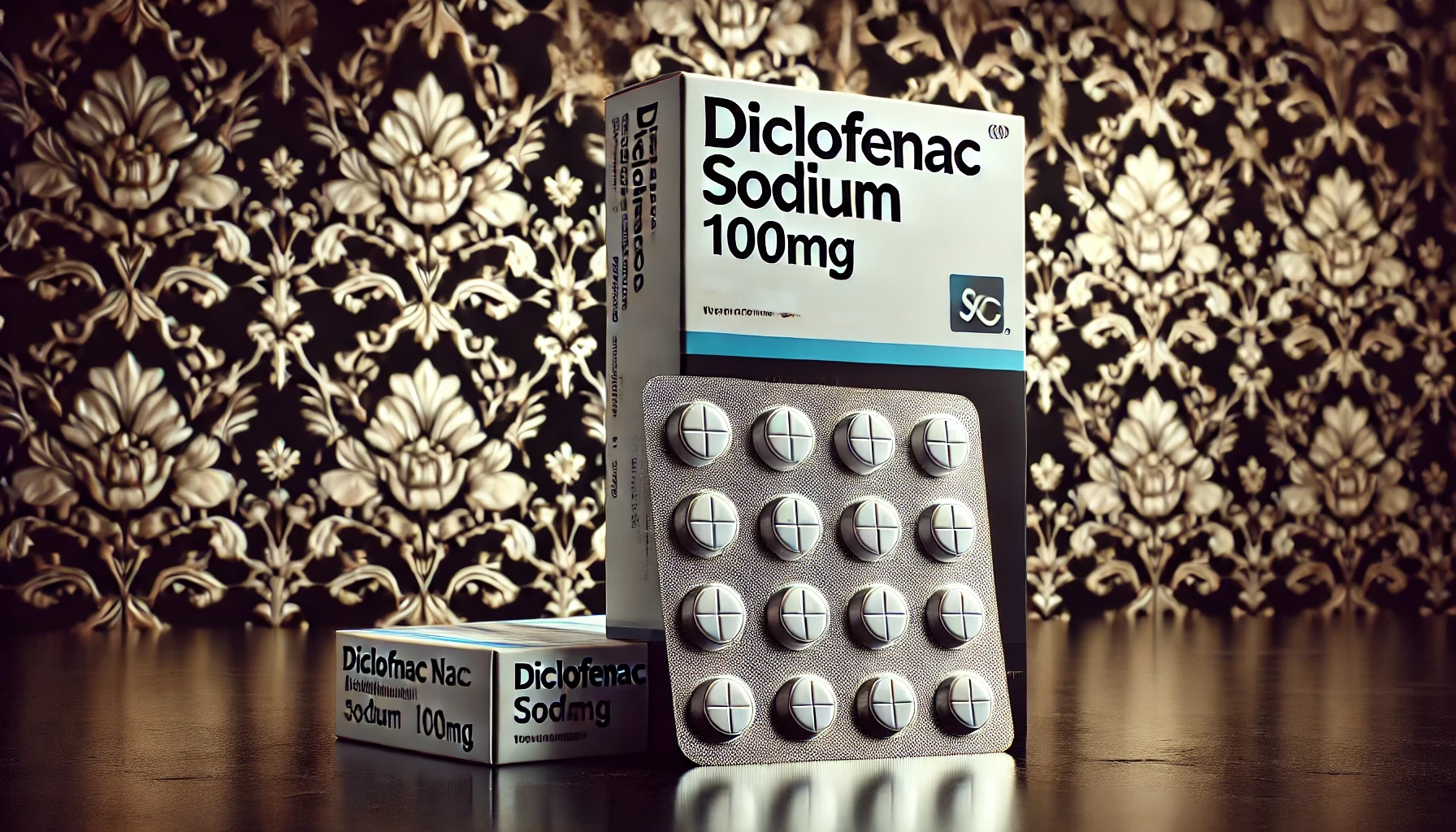
What is Diclofenac Sodium?
This post was written with Consensus AI Academic Search Engine - please read our Disclaimer at the end of this article. Diclofenac sodium is a widely used nonsteroidal anti-inflammatory drug (NSAID) known for its potent anti-inflammatory, analgesic, and antipyretic properties. It is commonly prescribed for the treatment of various conditions, including rheumatoid arthritis, osteoarthritis, and other musculoskeletal disorders. This article provides a comprehensive overview of diclofenac sodium, including its pharmacological properties, therapeutic uses, and potential side effects.
Pharmacological Properties
Diclofenac sodium, the sodium salt of o-(2,6-dichlorophenylamino)-phenylacetic acid, is a potent inhibitor of prostaglandin synthetase, an enzyme involved in the inflammatory process1. It acts as a competitive and irreversible inhibitor, similar to other NSAIDs like indomethacin and aspirin. Diclofenac sodium's pharmacological activity includes suppression of inflammation, reduction of arachidonic acid release, and inhibition of both cyclo-oxygenase and lipoxygenase pathways4.
Therapeutic Uses of Diclofenac Sodium
Diclofenac sodium is used to manage a variety of conditions:
Rheumatic Diseases
Diclofenac sodium is effective in treating rheumatoid arthritis, osteoarthritis, and ankylosing spondylitis. It has been shown to be comparable in efficacy to other NSAIDs such as aspirin, indomethacin, and naproxen3. It is available in various forms, including oral tablets, suppositories, and intramuscular injections, providing flexibility in administration3.
Pain Management
Diclofenac sodium is also used to alleviate pain from minor surgeries, trauma, and dysmenorrhea. Studies have demonstrated its effectiveness in reducing postoperative pain, including in pediatric patients undergoing tonsillectomy5. Additionally, it has been found to reduce exercise-induced muscle damage in humans2.
Actinic Keratosis
Topical diclofenac sodium 3% gel has been approved for the treatment of actinic keratosis (AK). It works by inhibiting cyclo-oxygenase 2 (COX-2), reducing angiogenesis, and inducing apoptosis in abnormal skin cells. Clinical studies have shown its efficacy and safety in treating AK lesions, including in immunosuppressed populations10.
Environmental Impact
Diclofenac sodium is not fully removed during standard wastewater treatment processes, leading to its presence in aquatic environments. Studies have shown that even low concentrations of diclofenac sodium can affect aquatic organisms, highlighting the need for improved wastewater treatment methods7. Learn more with Consensus: [button icon="🐳" text="Can Diclofenac Sodium be found in aquatic environments due to incomplete removal during wastewater treatment?"][/button] [button icon="🧬" text="Does Diclofenac Sodium inhibit both cyclo-oxygenase and lipoxygenase pathways to reduce inflammation?"][/button]
Side Effects and Safety of Diclofenac Sodium
While diclofenac sodium is generally well-tolerated, it can cause gastrointestinal side effects such as bleeding and ulcers, particularly with long-term use3. Rarely, it can lead to severe allergic reactions, including anaphylactic shock8. It is important for healthcare providers to monitor patients for potential adverse effects and adjust dosages accordingly. Learn more with Consensus: [button icon="🌌" text="What are the adverse effects of Diclofenac Sodium?"][/button]
How has Diclofenac Sodium Improved Patient Outcomes?
Pain Reduction in Osteoarthritis Diclofenac Sodium gel significantly reduces pain intensity and improves physical function in patients with hand and knee osteoarthritis1 3. It decreases pain scores by 42%-45% and improves global disease ratings by 36%-40% in hand osteoarthritis1. In knee osteoarthritis, it significantly reduces pain and improves physical function as early as one week into treatment3. Opioid-Sparing Effect Diclofenac Sodium reduces the need for opioids in pain management. In patients undergoing extracorporeal shock wave lithotripsy (ESWL), it decreased the requirement for fentanyl and improved hemodynamic stability2. This opioid-sparing effect is crucial for reducing opioid-related side effects and dependency. Post-Surgical Pain Management Diclofenac Sodium is effective in managing post-surgical pain. It significantly lowers pain scores and improves patient compliance and functional recovery after ankle fracture surgery7. It also reduces pain and improves patient satisfaction after radiofrequency denervation for chronic facet joint pain5. Fever Control in Neurocritical Care Diclofenac Sodium effectively controls fever in patients with acute cerebral damage, improving intracranial pressure and cerebral perfusion pressure without significant side effects on renal and liver functions6 8. Migraine Relief A novel subcutaneous formulation of Diclofenac Sodium provides significant pain relief in acute migraine attacks, with a higher percentage of patients being pain-free at 2 hours compared to placebo10. Safety and Tolerability Diclofenac Sodium is generally well-tolerated with mild adverse events. Topical applications, such as patches and gels, show fewer systemic side effects compared to oral administration1 3 9. The most common side effects are mild application-site reactions1 3 9. Learn more with Consensus: [button icon="🤒" text="How has Diclofenac Sodium improved patient outcomes?"][/button] [button icon="🧠 " text="Can Diclofenac Sodium be used to control fever in patients with acute cerebral damage?"][/button]
Diclofenac Sodium Mechanisms of Action
Cyclooxygenase (COX) Inhibition Diclofenac sodium inhibits both COX-1 and COX-2 enzymes, leading to a reduction in the synthesis of prostaglandins, which are mediators of inflammation and pain1 3 4 6 7. This inhibition is competitive and irreversible, similar to other NSAIDs like indomethacin and aspirin4. Arachidonic Acid Pathway Diclofenac sodium reduces the availability of free arachidonic acid by enhancing its uptake into triglyceride pools, thereby limiting its conversion into pro-inflammatory mediators1 2 5. This dual action affects both the cyclooxygenase and lipoxygenase pathways, reducing the formation of prostaglandins, prostacyclin, thromboxane, and leukotrienes1 2 5. Additional Mechanisms Diclofenac sodium may also inhibit the thromboxane-prostanoid receptor, affect nitric oxide-cGMP pathways, and inhibit lipoxygenase enzymes7. Emerging mechanisms include inhibition of substance P, peroxisome proliferator-activated receptor gamma (PPARγ), acid-sensing ion channels, interleukin-6 production, and NMDA receptor hyperalgesia7. Learn more with Consensus: [button icon="🗜️" text="What is Diclofenac Sodium mechanism of action?"][/button]
Common Complaints Associated with Diclofenac Sodium Use
Anaphylactic Reactions: Diclofenac sodium can cause severe allergic reactions, including anaphylactic shock, although such cases are rare1. Mild to Moderate Adverse Reactions: Common side effects include constipation, infusion-site pain, and dizziness. These reactions are generally mild to moderate in severity2. Cardiovascular and Respiratory Issues: There are reports of more serious side effects such as urticaria, asthmatic attacks, vasospastic angina, ischemic stroke, and Kounis syndrome1. Learn more with Consensus: [button icon="😳" text="Can Diclofenac Sodium cause anaphylactic shock, although it is rare?"][/button] [button icon="🚽" text="Are constipation, infusion-site pain, and dizziness common side effects of Diclofenac Sodium?"][/button]
Disclaimer
The content presented in this blog is generated by Consensus, an AI-powered academic search engine, and is based on publicly available scientific literature. While every effort is made to provide accurate, up-to-date, and well-researched information, the content is intended for informational and educational purposes only. It does not constitute medical advice, diagnosis, or treatment. Always consult a qualified healthcare professional before making any decisions regarding medical conditions, treatments, or medications. The AI system's analysis may not cover all perspectives, emerging research, or individual cases, and it is not a substitute for professional expertise. Neither the blog publisher nor the developers of the AI-powered search engine are responsible for any actions taken based on the information provided in this content. Use of this information is at your own risk. Citations to the original scientific studies are included for reference, but these studies should be reviewed in full and interpreted with the guidance of a healthcare or research professional. If you are experiencing a medical emergency, please seek immediate attention from a healthcare provider.
Start searching for free in Consensus!
Consensus searches through 220M+ peer reviewed research papers and provides you the best insights from them. Helping you find better papers, faster.

Sign Up