What Is Eliquis?
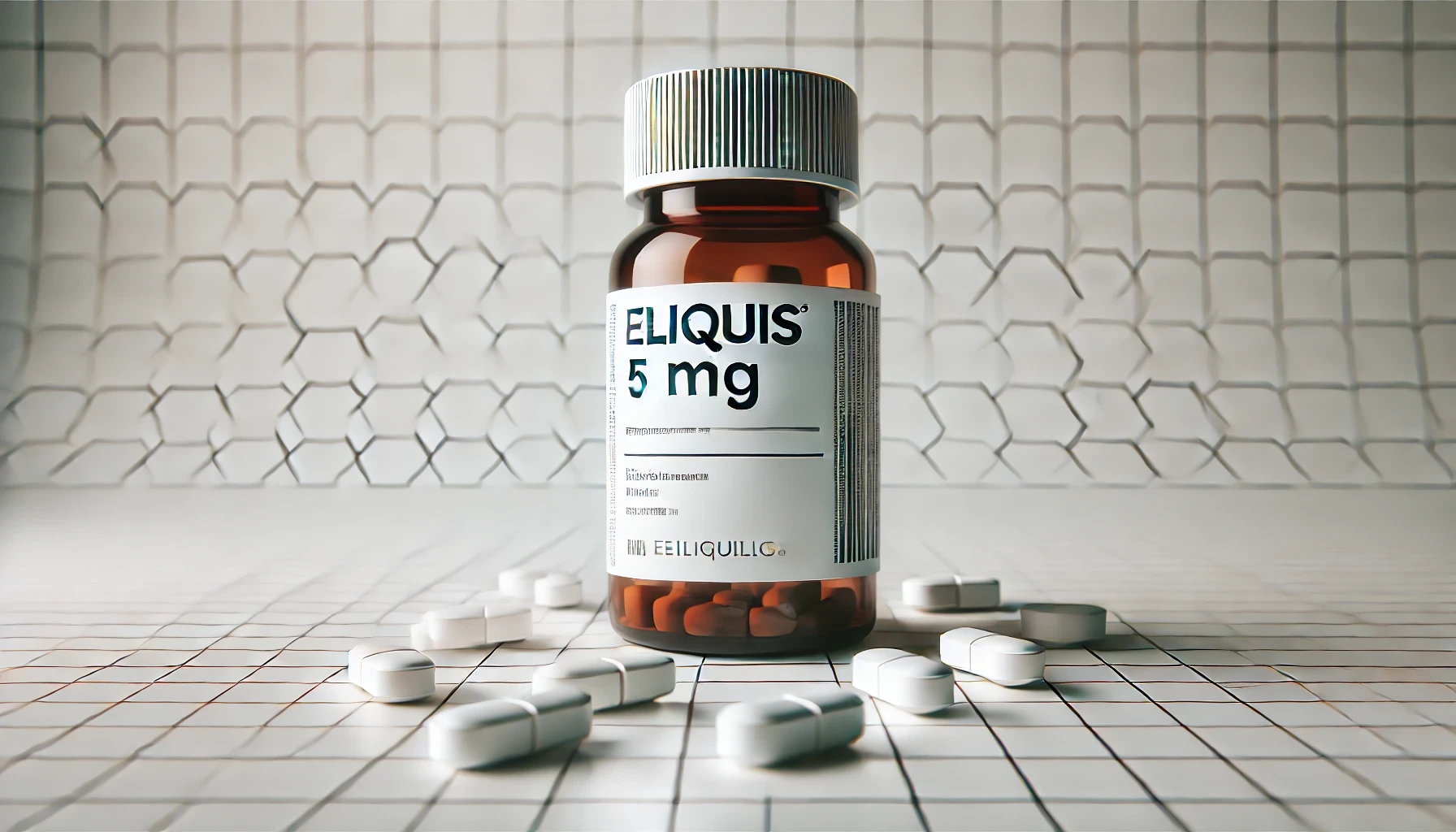
What is Eliquis?
This post was written with Consensus AI Academic Search Engine - please read our Disclaimer at the end of this article. Eliquis, also known by its generic name apixaban, is an oral anticoagulant medication developed by Bristol-Myers Squibb and Pfizer. It is primarily used for the prevention and treatment of thromboembolic disorders, such as venous thromboembolism (VTE) and stroke prevention in patients with atrial fibrillation. This article delves into the development, mechanism of action, clinical applications, and safety profile of Eliquis.
Clinical Applications
Prevention and Treatment of Venous Thromboembolism
Eliquis has been approved for the prevention of VTE following hip or knee replacement surgeries. It has also shown efficacy in the treatment and secondary prevention of VTE. In clinical trials, Eliquis was found to be noninferior to traditional anticoagulants like enoxaparin and warfarin, with a lower risk of major bleeding1 4.
Stroke Prevention in Atrial Fibrillation
Eliquis is also used to prevent stroke in patients with nonvalvular atrial fibrillation. Its predictable pharmacological properties and lack of need for routine anticoagulation monitoring make it a convenient option for long-term use1 4.
Other Uses
While Eliquis has been explored for use in acute coronary syndromes, development in this area was halted following the discontinuation of the phase III APPRAISE-II trial1. Additionally, it has been used off-label for conditions like pulsatile tinnitus caused by internal jugular vein stenosis, showing significant symptom improvement in case studies6.
Safety Profile
Eliquis is generally well-tolerated, with a lower risk of major bleeding compared to traditional anticoagulants. However, it is associated with an increased risk of hematoma formation, which can lead to complications like acute compartment syndrome (ACS)7. Unlike older anticoagulants such as warfarin, Eliquis does not have a readily available antidote, although research is ongoing to develop one8. Learn more with Consensus: [button icon="💓" text="Is Eliquis used to prevent stroke in patients with atrial fibrillation?"][/button] [button icon="🩺" text="Does Eliquis require routine anticoagulation monitoring like warfarin?"][/button]
Eliquis Development and Mechanism of Action
Eliquis is a direct factor Xa inhibitor, which means it works by selectively inhibiting factor Xa, an enzyme crucial for blood clotting. The development of Eliquis involved extensive medicinal chemistry efforts to create a compound with high oral bioavailability, safety, and efficacy. Computer-aided drug design and X-ray crystallography were pivotal in optimizing the drug's affinity and selectivity for factor Xa1 2 3. Learn more with Consensus: [button icon="☢️" text="Was X-ray crystallography used to optimize Eliquis during its development?"][/button]
Adverse Effects of Eliquis
Risk of Hematoma and Compartment Syndrome Eliquis is associated with an increased risk of hematoma formation, which can lead to acute compartment syndrome (ACS). This is a rare but serious adverse effect that requires early management to prevent complications such as permanent structural damage or limb amputation5. Learn more with Consensus: [button icon="💫" text="Is hematoma formation a known adverse effect of Eliquis?"][/button]
How has Eliquis Improved Patient Outcomes?
Improved Patient Knowledge An educational video about apixaban significantly increased patient knowledge immediately after viewing, although this knowledge was not retained long-term4. Learn more with Consensus: [button icon="💆🏻♀️" text="How has Eliquis improved patient outcomes?"][/button]
Common Complaints Associated with Eliquis Use
Increased Risk of Bleeding and Hematoma Formation Eliquis is associated with an increased risk of bleeding, including serious internal bleeding events, which can be life-threatening1 2. The medication can lead to spontaneous hematomas, which in rare cases can cause acute compartment syndrome (ACS), a serious condition requiring immediate medical intervention2. Impact of Nonmedical Switching Nonmedical switching of anticoagulants, such as the exclusion of Eliquis from formularies, can disrupt patient care. This can lead to increased administrative burdens, potential treatment delays, and risks associated with switching stable patients to alternative medications1. Learn more with Consensus: [button icon="🩸" text="Can Eliquis lead to life-threatening internal bleeding?"][/button] [button icon="🤦🏽♂️" text="Is nonmedical switching from Eliquis associated with disruptions in patient care?"][/button]
Disclaimer
The content presented in this blog is generated by Consensus, an AI-powered academic search engine, and is based on publicly available scientific literature. While every effort is made to provide accurate, up-to-date, and well-researched information, the content is intended for informational and educational purposes only. It does not constitute medical advice, diagnosis, or treatment. Always consult a qualified healthcare professional before making any decisions regarding medical conditions, treatments, or medications. The AI system's analysis may not cover all perspectives, emerging research, or individual cases, and it is not a substitute for professional expertise. Neither the blog publisher nor the developers of the AI-powered search engine are responsible for any actions taken based on the information provided in this content. Use of this information is at your own risk. Citations to the original scientific studies are included for reference, but these studies should be reviewed in full and interpreted with the guidance of a healthcare or research professional. If you are experiencing a medical emergency, please seek immediate attention from a healthcare provider.
Start searching for free in Consensus!
Consensus searches through 220M+ peer reviewed research papers and provides you the best insights from them. Helping you find better papers, faster.

Sign Up