What Is Hydrochlorothiazide? Brand Names: Esidrix; HydroDiuril; Microzide
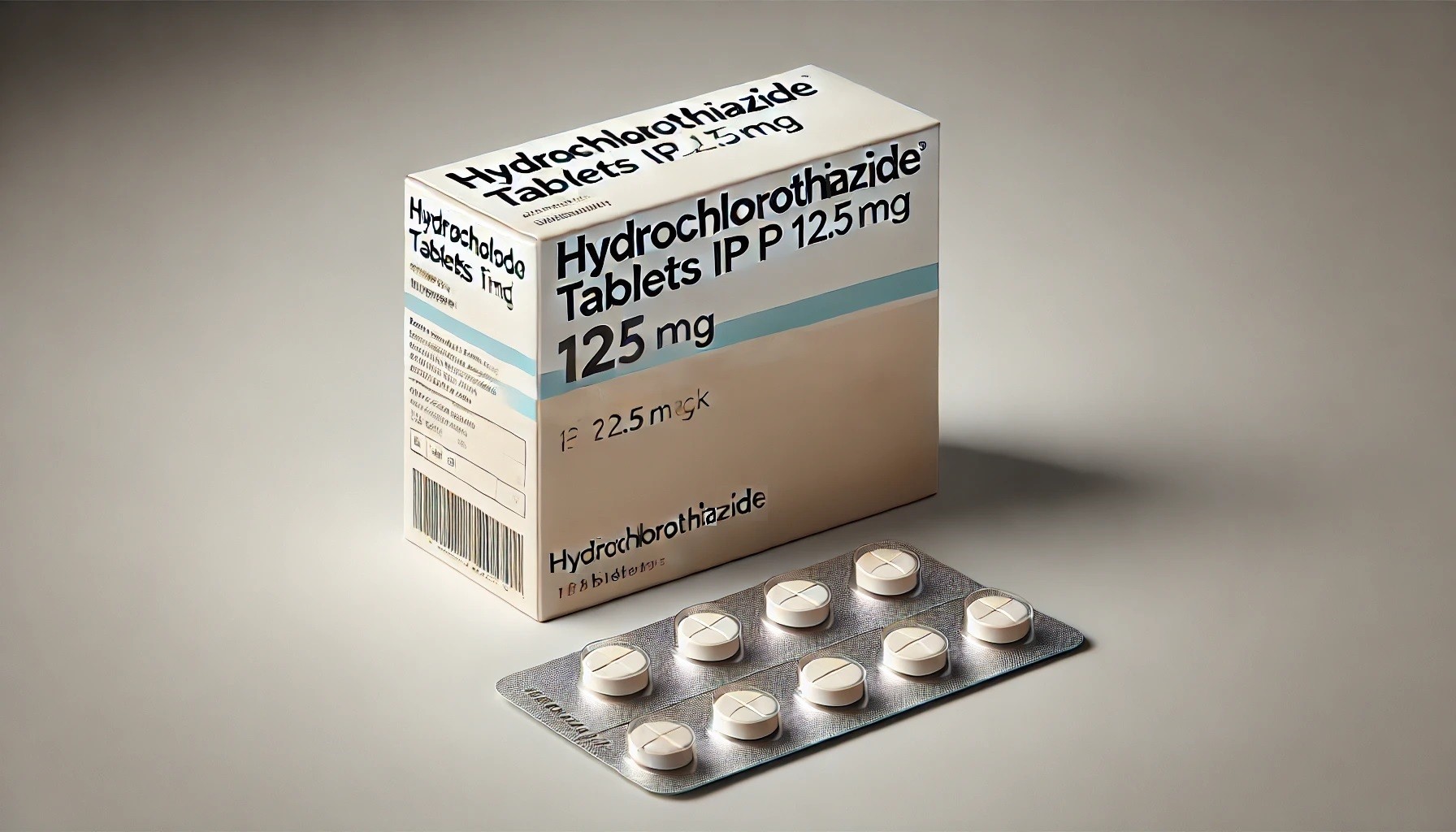
What is Hydrochlorothiazide?
This post was written with Consensus AI Academic Search Engine - please read our Disclaimer at the end of this article. Hydrochlorothiazide (HCTZ) is a widely used medication primarily prescribed for the treatment of hypertension and edema. It belongs to the class of thiazide diuretics, which help reduce blood pressure by eliminating excess salt and water from the body through urine. Despite its popularity, the efficacy and safety of HCTZ have been subjects of extensive research and debate. Brand names include: Esidrix; HydroDiuril; Microzide; Oretic; Zide
Clinical Uses of Hydrochlorothiazide
Hypertension
HCTZ is one of the most commonly prescribed antihypertensive drugs in the United States. However, its effectiveness in reducing major cardiovascular events such as myocardial infarction, stroke, or death at the usual doses of 12.5-25 mg daily has been questioned. Studies have shown that its antihypertensive efficacy is inferior to other drug classes like angiotensin-converting enzyme inhibitors, angiotensin receptor blockers, beta-blockers, and calcium channel blockers1 4.
Bone Health
Interestingly, HCTZ has been found to have a positive effect on bone mineral density in postmenopausal women. A randomized controlled trial demonstrated that a daily dose of 50 mg of HCTZ significantly slowed cortical bone loss, suggesting a potential role in the prevention of postmenopausal bone loss2.
Kidney Stones
HCTZ is also used to prevent the recurrence of calcium-containing kidney stones. However, a recent study indicated that the incidence of kidney stone recurrence did not differ significantly among patients receiving HCTZ at doses of 12.5 mg, 25 mg, or 50 mg compared to placebo3.
Alternatives and Comparisons
Chlorthalidone Chlorthalidone, another thiazide-like diuretic, has been compared to HCTZ in several studies. Chlorthalidone has been found to be more effective in reducing 24-hour blood pressure and may offer better cardiovascular protection. However, it is also associated with a higher incidence of hypokalemia5 6.
Cocrystals and Formulations
Recent advancements in drug formulation have explored the use of cocrystals to improve the solubility and permeability of HCTZ. These innovative formulations aim to enhance the drug's bioavailability and therapeutic efficacy7 10. Learn more with Consensus: [button icon="🦴" text="Does hydrochlorothiazide improve bone health in postmenopausal women?"][/button] [button icon="💓" text="How does hydrochlorothiazide compare to other antihypertensive drugs in reducing major cardiovascular events?"][/button]
Side Effects and Risks of Hydrochlorothiazide
Metabolic Effects
HCTZ has been associated with adverse metabolic effects, including increased insulin resistance and unfavorable changes in lipid profiles. These metabolic side effects may contribute to an increased risk of diabetes mellitus and coronary heart disease8.
Skin Cancer
There is also evidence linking HCTZ use to an increased risk of nonmelanoma skin cancer, particularly squamous cell carcinoma. This association is thought to be due to the photosensitizing properties of HCTZ9.
Other Side Effects
Common side effects of HCTZ include hypokalemia (low potassium levels), gout, new-onset diabetes mellitus, and skin allergies. These side effects are more prevalent at higher doses3. Learn more with Consensus: [button icon="🔄" text="What are the adverse effects of Hydrochlorothiazide?"][/button]
How has Hydrochlorothiazide Improved Patient Outcomes?
Improved Diuretic Response in Heart Failure Adding HCTZ to loop diuretics like furosemide significantly enhances diuretic response, leading to greater weight loss and increased urine output in patients with acute heart failure (AHF)1 2 4 5. This combination therapy also shows a trend towards improved congestion symptoms, although it may increase the risk of renal impairment1 2 4 5. Hypertension Management HCTZ effectively lowers blood pressure and improves quality of life in hypertensive patients, particularly in those aged 60 years and older3. When compared to other diuretics like chlorthalidone, HCTZ shows similar efficacy in preventing major cardiovascular events but with a lower incidence of hypokalemia6. Kidney Stone Prevention HCTZ does not significantly reduce the recurrence of kidney stones compared to placebo, and its efficacy does not appear to be dose-dependent7. Metabolic Effects HCTZ can lead to potassium depletion, which is associated with a rise in blood glucose levels. Combining HCTZ with a potassium-sparing diuretic like amiloride can prevent glucose intolerance and improve blood pressure control8. Cardiovascular and Cognitive Function HCTZ does not significantly improve cognitive function in hypertensive patients compared to losartan, although it does improve quality of life in older adults3. In patients with diabetes, HCTZ is less effective than other diuretics like indapamide and eplerenone in improving endothelial and arterial functions9 10. Learn more with Consensus: [button icon="👩⚕️" text="How has Hydrochlorothiazide improved patient outcomes?"][/button]
Hydrochlorothiazide Mechanisms of Action
Hydrochlorothiazide works by inhibiting the sodium-chloride symporter in the distal convoluted tubule of the nephron in the kidneys. This inhibition reduces sodium reabsorption, leading to increased excretion of sodium and water, which in turn decreases blood volume and lowers blood pressure1. Learn more with Consensus: [button icon="🍥" text="What is Hydrochlorothiazide mechanism of action?"][/button]
Common Complaints Associated with Hydrochlorothiazide Use
Increased Risk of Nonmelanoma Skin Cancer (NMSC) High cumulative use of HCTZ is associated with a significantly increased risk of basal cell carcinoma (BCC) and squamous cell carcinoma (SCC)1 2 6. There is a clear dose-response relationship, with higher cumulative doses leading to higher risks of BCC and SCC1 2. Increased Risk of Merkel Cell Carcinoma (MCC) and Malignant Adnexal Skin Tumors (MAST) High use of HCTZ is linked to an increased risk of MCC and MAST, with the risk increasing with higher cumulative doses4. Photosensitivity and Skin Reactions HCTZ has photosensitizing properties, which may contribute to the increased risk of skin cancers1 2 5. Other Adverse Effects HCTZ use has been associated with hypokalemia, gout, new-onset diabetes mellitus, skin allergies, and increased plasma creatinine levels3. There are reports of agranulocytosis, a serious condition characterized by a severe reduction in white blood cells, linked to HCTZ therapy7. Learn more with Consensus: [button icon="👩🏻" text="Does hydrochlorothiazide increase the risk of basal cell carcinoma (BCC)?"][/button] [button icon="😇" text="Is hydrochlorothiazide associated with photosensitivity reactions?"][/button] [button icon="🍌" text="Can hydrochlorothiazide use lead to hypokalemia?"][/button]
Disclaimer
The content presented in this blog is generated by Consensus, an AI-powered academic search engine, and is based on publicly available scientific literature. While every effort is made to provide accurate, up-to-date, and well-researched information, the content is intended for informational and educational purposes only. It does not constitute medical advice, diagnosis, or treatment. Always consult a qualified healthcare professional before making any decisions regarding medical conditions, treatments, or medications. The AI system's analysis may not cover all perspectives, emerging research, or individual cases, and it is not a substitute for professional expertise. Neither the blog publisher nor the developers of the AI-powered search engine are responsible for any actions taken based on the information provided in this content. Use of this information is at your own risk. Citations to the original scientific studies are included for reference, but these studies should be reviewed in full and interpreted with the guidance of a healthcare or research professional. If you are experiencing a medical emergency, please seek immediate attention from a healthcare provider.
Start searching for free in Consensus!
Consensus searches through 220M+ peer reviewed research papers and provides you the best insights from them. Helping you find better papers, faster.

Sign Up