What is Miralax?
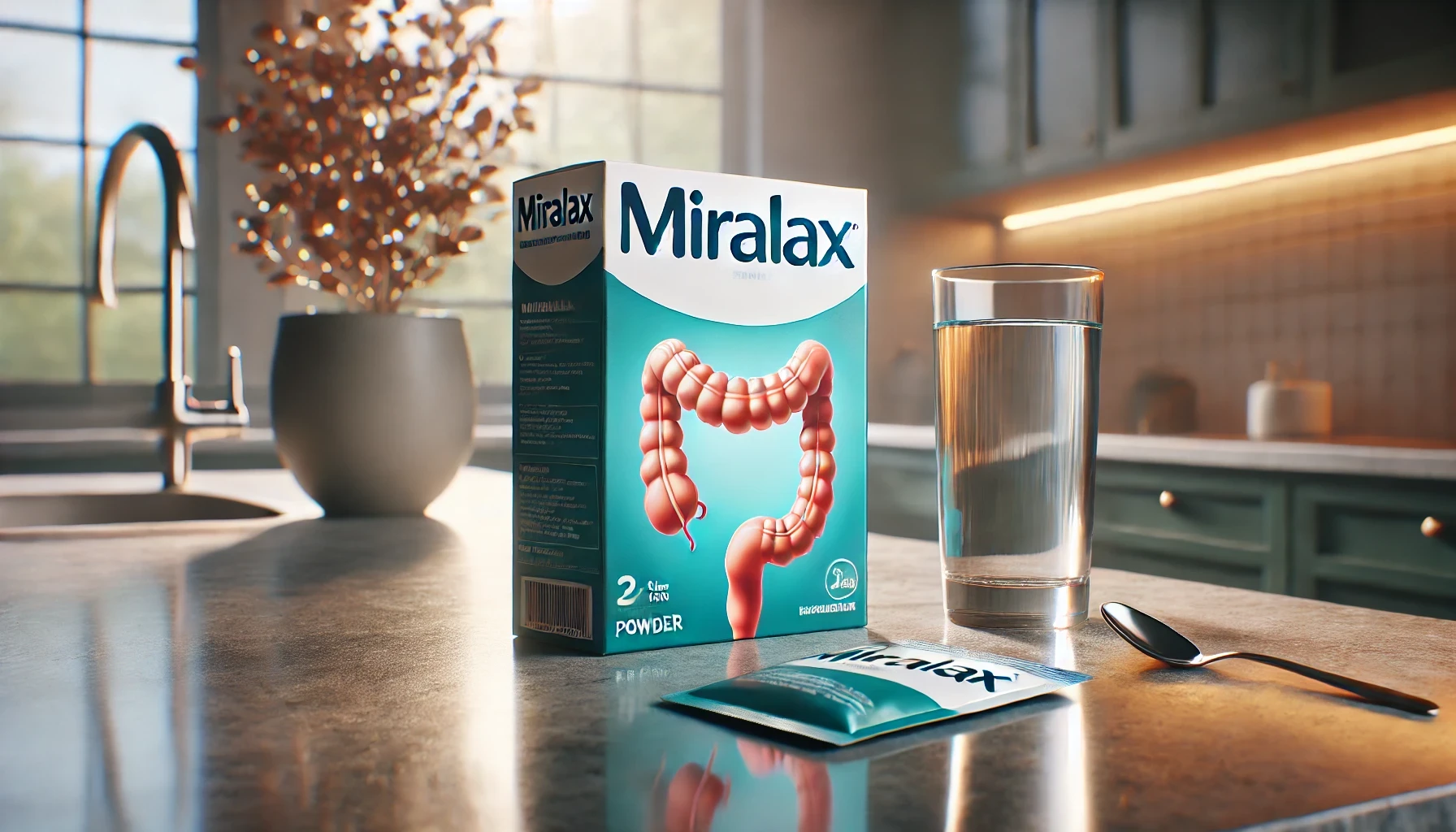
This post was written with Consensus AI Academic Search Engine - please read our Disclaimer at the end of this article. MiraLAX, a brand name for polyethylene glycol 3350 (PEG 3350), is a commonly used laxative for treating constipation and preparing the bowel for procedures like colonoscopies. It is known for its effectiveness and patient tolerability, making it a popular choice among healthcare providers and patients alike.
Uses of Miralax
Efficacy in Bowel Preparation
Several studies have evaluated the efficacy of MiraLAX in bowel preparation for colonoscopies. A study comparing MiraLAX with GoLytely, another PEG-based preparation, found that GoLytely was more effective in bowel cleansing. However, patients rated their experience with MiraLAX as more satisfactory1. Another study confirmed that split-dosed MiraLAX/Gatorade was an effective, safe, and tolerable option for bowel preparation in low-risk patients, with a high willingness to repeat the preparation2.
Use in Constipation Treatment
MiraLAX is also widely used for the treatment of chronic constipation. A randomized, placebo-controlled study demonstrated that MiraLAX significantly increased bowel movement frequency and improved stool consistency and ease of passage compared to placebo3. Another long-term study confirmed its safety and efficacy over a six-month period for patients with chronic constipation5.
Pediatric Use
MiraLAX has been studied for use in pediatric patients, particularly for bowel preparation before colonoscopy. A study comparing one-day and three-day preparations found that a one-day MiraLAX regimen was as effective and well-tolerated as a three-day regimen, making it a convenient option for children6. Additionally, in pediatric patients with known or suspected Crohn's disease, MiraLAX was rated as more palatable and had a higher completion rate compared to other oral contrast agents4.
Safety Profile
MiraLAX has a favorable safety profile. Studies have shown no significant changes in laboratory parameters or adverse events associated with its use. Common side effects include diarrhea, flatulence, and nausea, but these are generally mild and not statistically significant compared to placebo5 7. Learn more with Consensus: [button icon="🚽" text="Does MiraLAX significantly increase bowel movement frequency in patients with chronic constipation?"][/button] [button icon="🧘" text="Is MiraLAX commonly used for bowel preparation before colonoscopies?"][/button]
Miralax Mechanism of Action
MiraLAX works by retaining water in the stool, which results in softer stools and stimulates bowel movements. This osmotic effect helps to alleviate constipation and ensure thorough bowel cleansing before medical procedures.
Learn more with Consensus: [button icon="🧪" text="Does MiraLAX stimulate bowel movements through an osmotic effect?"][/button] [button icon="⚕️" text="How does MiraLAX prepare the bowel for medical procedures?"][/button]
Adverse Effects of Miralax
General Safety and Adverse Events MiraLAX is generally safe and well-tolerated with no significant differences in adverse events compared to placebo in short-term use for constipation treatment2. In a study comparing MiraLAX to GoLytely for bowel preparation, there were no significant differences in adverse events between the groups1. Patient Satisfaction and Tolerability Patients rated their overall experience with MiraLAX as more satisfactory compared to GoLytely, despite MiraLAX being less effective for bowel cleansing1. Learn more with Consensus: [button icon="💩" text="Is MiraLAX generally well-tolerated for short-term use in treating constipation?"][/button] [button icon="🌟" text="Did patients rate their experience with MiraLAX as more satisfactory compared to GoLytely?"][/button]
How has Miralax (Polyethylene Glycol) Improved Patient Outcomes?
Efficacy in Treating Chronic Constipation MiraLAX significantly improves bowel movement frequency and consistency in patients with chronic constipation compared to placebo1 2 4. PEG treatment results in a higher percentage of successful treatment weeks and greater improvement in constipation symptoms compared to placebo1 3. Safety Profile MiraLAX is generally safe for long-term use, with no significant differences in laboratory findings or adverse events compared to placebo1 2 4. Common side effects include mild gastrointestinal symptoms such as diarrhea, flatulence, and nausea, but these are not statistically significant compared to placebo1. Comparison with Other Treatments MiraLAX is more effective than tegaserod in improving constipation symptoms and has fewer side effects like headaches3. For bowel preparation before colonoscopy, MiraLAX combined with Gatorade is less effective than GoLytely but is rated more satisfactory by patients8. Short-term and Rapid Relief MiraLAX provides significant improvement in bowel movement frequency within the first two weeks of treatment2 4. Higher doses of MiraLAX can provide effective relief within 24 hours without significant adverse reactions5. Use in Pediatric Populations MiraLAX is effective and well-tolerated for colonoscopy preparation in children, showing superior results compared to senna6. In treating urinary urge symptoms in children, MiraLAX shows similar improvement rates as placebo, indicating a potential placebo effect7. Learn more with Consensus: [button icon="📅" text="Does MiraLAX provide significant bowel movement improvement within the first two weeks of treatment?"][/button] [button icon="🚀" text="Is MiraLAX more effective than tegaserod in improving constipation symptoms?"][/button]
Disclaimer
The content presented in this blog is generated by Consensus, an AI-powered academic search engine, and is based on publicly available scientific literature. While every effort is made to provide accurate, up-to-date, and well-researched information, the content is intended for informational and educational purposes only. It does not constitute medical advice, diagnosis, or treatment. Always consult a qualified healthcare professional before making any decisions regarding medical conditions, treatments, or medications. The AI system's analysis may not cover all perspectives, emerging research, or individual cases, and it is not a substitute for professional expertise. Neither the blog publisher nor the developers of the AI-powered search engine are responsible for any actions taken based on the information provided in this content. Use of this information is at your own risk. Citations to the original scientific studies are included for reference, but these studies should be reviewed in full and interpreted with the guidance of a healthcare or research professional. If you are experiencing a medical emergency, please seek immediate attention from a healthcare provider.