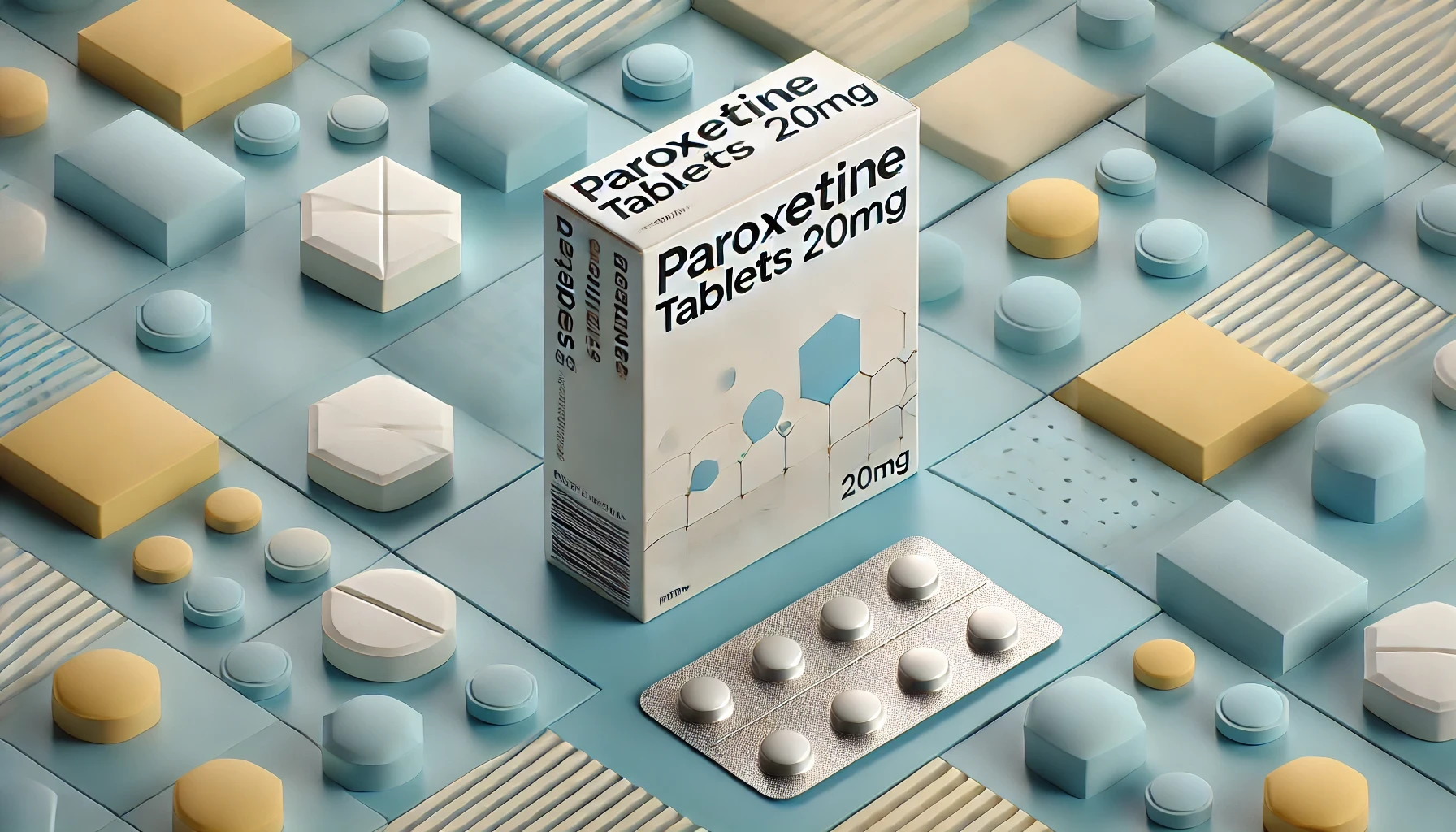
What is Paroxetine?
This post was written with Consensus AI Academic Search Engine - please read our Disclaimer at the end of this article. Paroxetine is a selective serotonin reuptake inhibitor (SSRI) widely used in the treatment of various psychiatric disorders. It is known for its antidepressant and anxiolytic properties, making it a versatile medication in mental health care. This article provides a comprehensive overview of paroxetine, including its efficacy, safety, and applications in different conditions.
Uses of Paroxetine
Efficacy in Major Depressive Disorder
Paroxetine has been extensively studied for its effectiveness in treating major depressive disorder (MDD). Clinical trials have demonstrated that paroxetine, at doses ranging from 10 to 50 mg/day, is significantly more effective than placebo and at least as effective as tricyclic antidepressants (TCAs) and other SSRIs1. It has also shown efficacy in preventing relapse or recurrence of depression over a one-year period1.
Use in Anxiety Disorders
Paroxetine is approved for the treatment of several anxiety disorders, including generalized anxiety disorder (GAD), social anxiety disorder (SAD), panic disorder, obsessive-compulsive disorder (OCD), and post-traumatic stress disorder (PTSD). Studies have shown that paroxetine is effective in reducing symptoms of these conditions and maintaining improvement over extended periods1 3 6 7.
Generalized Anxiety Disorder
In patients with GAD, paroxetine has been shown to significantly reduce anxiety symptoms and improve overall functioning. A study involving 324 patients found that paroxetine, at doses of 20 to 50 mg/day, was more effective than placebo in reducing GAD symptoms and associated disability3. Long-term treatment with paroxetine also significantly reduced the potential for relapse10.
Social Anxiety Disorder
Paroxetine has demonstrated efficacy in treating social anxiety disorder. In a randomized, double-blind study, patients treated with paroxetine showed a greater reduction in social anxiety symptoms compared to those receiving placebo7. The medication was well tolerated, with significant improvements observed as early as four weeks into treatment7.
Obsessive-Compulsive Disorder
Paroxetine is effective in treating OCD in both adults and pediatric populations. A study involving children and adolescents with OCD found that paroxetine significantly reduced OCD symptoms compared to placebo4. The medication was generally well tolerated, with most adverse events being mild to moderate in intensity4.
Post-Traumatic Stress Disorder
Paroxetine has also been shown to be effective in treating PTSD. A study involving 307 patients with chronic PTSD found that paroxetine significantly reduced PTSD symptoms and improved functional outcomes compared to placebo6. The medication was well tolerated, with a safety profile consistent with other SSRIs6.
Safety and Tolerability
Paroxetine is generally well tolerated, with a safety profile similar to other SSRIs. Common adverse events include nausea, sexual dysfunction, somnolence, asthenia, headache, constipation, dizziness, sweating, tremor, and decreased appetite1. In clinical trials, withdrawal rates due to adverse effects were relatively low, indicating good overall tolerability2 4. Learn more with Consensus: [button icon="😨" text="Is Paroxetine effective in treating social anxiety disorder?"][/button] [button icon="💊" text="Can Paroxetine be used to treat post-traumatic stress disorder (PTSD)?"][/button]
Paroxetine Mechanism of Action
Paroxetine functions by inhibiting the reuptake of serotonin, a neurotransmitter associated with mood regulation, thereby increasing its availability in the brain. This mechanism helps alleviate symptoms of depression and anxiety by enhancing serotonergic activity.
Learn more with Consensus: [button icon="🎡" text="What is Paroxetine mechanism of action?"][/button] [button icon="🧠" text="Does Paroxetine inhibit the reuptake of serotonin in the brain?"][/button]
Adverse Effects of Paroxetine
Common Adverse Effects Nausea, sexual dysfunction, somnolence, asthenia, headache, constipation, dizziness, sweating, tremor, and decreased appetite are frequently reported adverse effects of Paroxetine2 8 9. Gastrointestinal Issues Increased incidence of gastrointestinal symptoms such as dyspepsia, vomiting, and upper gastrointestinal symptoms1 4. Neurological and Psychological Effects Dizziness and somnolence are common, with dizziness occurring more frequently in pediatric populations1 2. Suicidal behavior and/or ideation have been reported, though the incidence is relatively low1. Serious Adverse Events Serious adverse events, including severe side effects leading to discontinuation of treatment, have been reported. These include skin rash and adverse cardiovascular effects1 4 7. Discontinuation Due to Adverse Effects Higher rates of treatment discontinuation due to adverse effects in both pediatric and adult populations, with reasons including lack of motivation, skin rash, and gastrointestinal symptoms3 4 7. Comparison with Other Antidepressants Paroxetine is generally better tolerated than tricyclic antidepressants (TCAs) but has a similar side effect profile to other SSRIs. However, it is associated with fewer anticholinergic effects compared to TCAs2 5 9. Specific Populations In elderly patients, Paroxetine did not significantly affect blood pressure, heart rate, or cognitive functions, but some patients experienced skin rash and gastrointestinal symptoms4. Learn more with Consensus: [button icon="🌌" text="What are the adverse effects of Paroxetine?"][/button] [button icon="💥" text="Does Paroxetine have fewer anticholinergic effects compared to tricyclic antidepressants (TCAs)?"][/button]
How has Paroxetine Improved Patient Outcomes?
PTSD Treatment Paroxetine significantly reduces PTSD symptoms, including reexperiencing, avoidance/numbing, and hyperarousal, and improves functional outcomes in work, social, and family life1 6. Paroxetine is effective in both male and female patients and is well-tolerated1 6. Depression and Anxiety Paroxetine is effective in reducing symptoms of major depressive disorder and generalized anxiety disorder, showing significant improvements in depressive and anxiety symptoms compared to placebo5 7. In patients with chronic heart failure, paroxetine significantly reduces depression and improves psychological aspects of quality of life4. Paroxetine shows a significant reduction in anxiety symptoms in COPD patients, although this does not necessarily translate to improved quality of life10. Quality of Life and Functional Outcomes Paroxetine improves quality of life and social functioning in trauma survivors, although the effects on PTSD and depression symptoms may not be significantly different from placebo in the long term2. In mildly depressed patients with type 2 diabetes, paroxetine initially improves quality of life and glycemic control, but these benefits are not sustained over six months8. Sleep Problems Paroxetine significantly reduces sleep problems in cancer patients undergoing chemotherapy, even after controlling for baseline sleep problems and depression9. Comparative Efficacy Paroxetine is as effective as other SSRIs and tricyclic antidepressants in treating major depressive disorder and anxiety disorders, with a similar tolerability profile5. In bipolar depression, paroxetine is less effective than quetiapine for treating acute depressive episodes but does improve anxiety symptoms3. Learn more with Consensus: [button icon="💆🏻♀️" text="How has Paroxetine improved patient outcomes?"][/button] [button icon="😧" text="Does Paroxetine improve quality of life in trauma survivors?"][/button]
Common Complaints Associated with Paroxetine Use
Nausea and Gastrointestinal Issues Nausea is a frequently reported side effect of paroxetine, particularly in the initial stages of treatment1 5. Gastrointestinal symptoms such as constipation and upper gastrointestinal issues have also been noted1 6. Sexual Dysfunction Sexual dysfunction, including decreased libido and difficulty achieving orgasm, is a common complaint among paroxetine users1. Somnolence and Sedation Somnolence or excessive sleepiness is another commonly reported side effect1 5. However, in some studies, paroxetine did not significantly affect sleep-onset latency or cause sedation2. Asthenia and Fatigue Users often report feelings of asthenia (weakness) and general fatigue1. Headache and Dizziness Headaches and dizziness are also frequently mentioned as side effects1. Sweating and Tremor Increased sweating and tremors have been observed in some patients1. Decreased Appetite A reduction in appetite is another side effect associated with paroxetine use1. Dropout Rates Due to Adverse Events Higher dropout rates due to adverse events have been observed with immediate-release formulations compared to controlled-release formulations, which are better tolerated5. Learn more with Consensus: [button icon="🤢" text="Does Paroxetine commonly cause nausea in the initial stages of treatment?"][/button] [button icon="😴" text="Does Paroxetine significantly affect sleep-onset latency in users?"][/button]
Disclaimer
The content presented in this blog is generated by Consensus, an AI-powered academic search engine, and is based on publicly available scientific literature. While every effort is made to provide accurate, up-to-date, and well-researched information, the content is intended for informational and educational purposes only. It does not constitute medical advice, diagnosis, or treatment. Always consult a qualified healthcare professional before making any decisions regarding medical conditions, treatments, or medications. The AI system's analysis may not cover all perspectives, emerging research, or individual cases, and it is not a substitute for professional expertise. Neither the blog publisher nor the developers of the AI-powered search engine are responsible for any actions taken based on the information provided in this content. Use of this information is at your own risk. Citations to the original scientific studies are included for reference, but these studies should be reviewed in full and interpreted with the guidance of a healthcare or research professional. If you are experiencing a medical emergency, please seek immediate attention from a healthcare provider.