What Is Sildenafil? Brand Name: Viagra
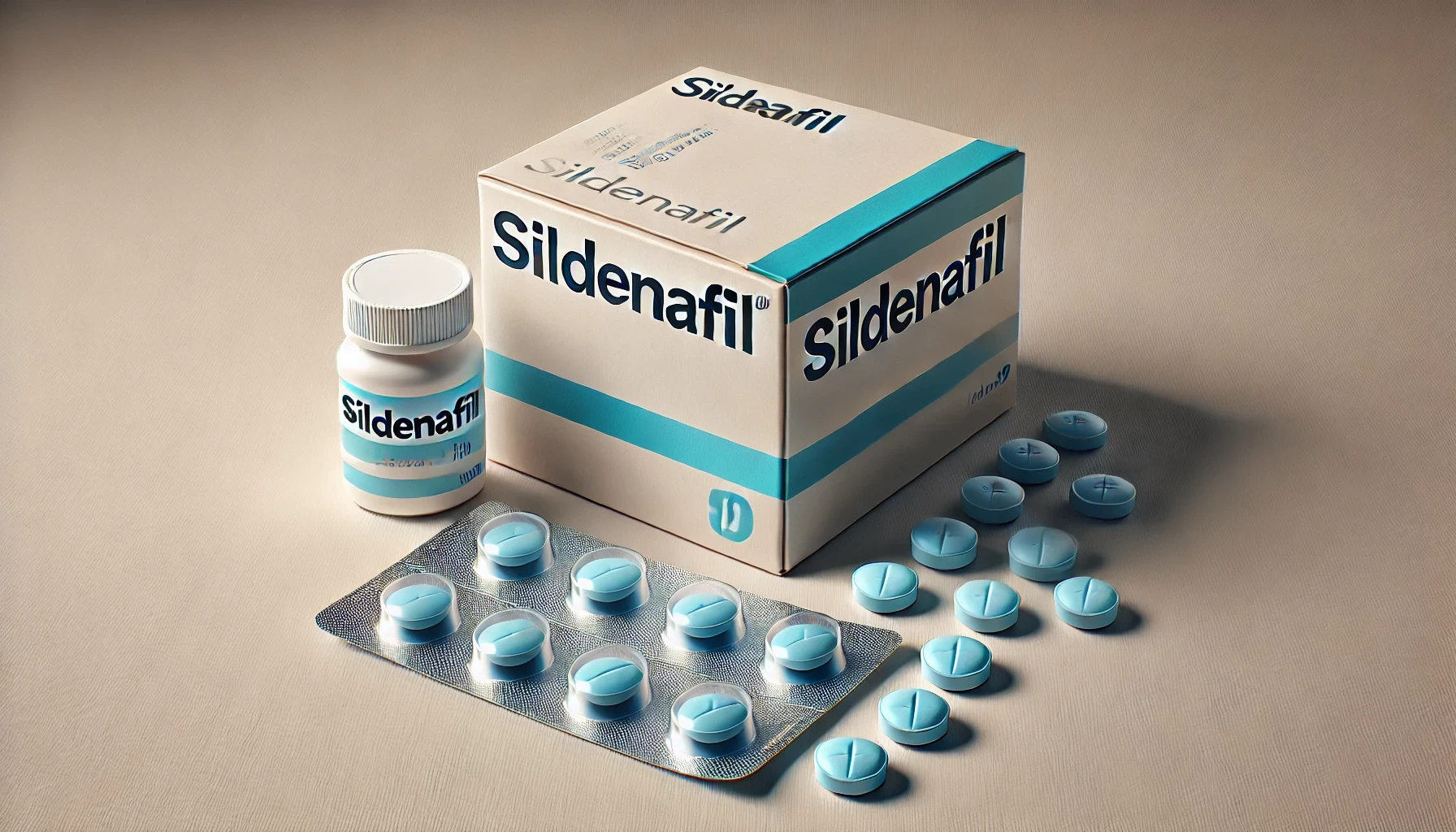
What is Sildenafil?
This post was written with Consensus AI Academic Search Engine - please read our Disclaimer at the end of this article. Sildenafil, commonly known by its brand name Viagra, is a medication primarily used to treat erectile dysfunction (ED) and pulmonary arterial hypertension (PAH). Its discovery and subsequent development have had a significant impact on the treatment of these conditions, revolutionizing the approach to sexual medicine and offering new hope for patients with PAH.
Discovery and Development
The discovery of sildenafil as a treatment for erectile dysfunction was serendipitous. Initially developed by Pfizer as a treatment for angina, sildenafil was found to have a significant effect on penile erections during clinical trials. This unexpected outcome led to its repurposing and eventual approval by the U.S. Food and Drug Administration (FDA) in 1998 for the treatment of ED, marking a pivotal moment in sexual medicine1.
Clinical Applications of Sildenafil
Erectile Dysfunction
Sildenafil is widely recognized for its efficacy in treating erectile dysfunction. Clinical studies have demonstrated its effectiveness in improving erectile function in men with ED of various etiologies, including organic, psychogenic, or mixed causes. The drug is well-tolerated, with common side effects including headache, flushing, and dyspepsia2 4.
Pulmonary Arterial Hypertension
Sildenafil is also approved for the treatment of pulmonary arterial hypertension (PAH). It works by enhancing the relaxation and growth inhibition of vascular smooth muscle cells in the lungs, thereby improving exercise capacity and hemodynamics in patients with PAH. Clinical trials have shown significant improvements in the distance walked in six minutes and reductions in mean pulmonary artery pressure3.
Other Potential Uses
Research has explored the use of sildenafil in various other conditions, including lower urinary tract symptoms associated with benign prostatic hyperplasia, myocardial ischemia-reperfusion injury, and complications during pregnancy such as preeclampsia and fetal growth restriction. However, the efficacy and safety of sildenafil in these contexts require further investigation7 8 9 10.
Safety and Drug Interactions
While sildenafil is generally safe, it can interact with other medications, particularly nitrates used for chest pain, leading to significant drops in blood pressure. Therefore, its use is contraindicated in patients taking nitrates5. Additionally, caution is advised when sildenafil is used in combination with other blood-pressure-lowering drugs5. Learn more with Consensus: [button icon="💔" text="Is sildenafil contraindicated for patients taking nitrates for chest pain?"][/button] [button icon="🏋️" text="Can sildenafil improve exercise capacity in patients with pulmonary arterial hypertension?"][/button]
Sildenafil Mechanism of Action
Sildenafil functions as a selective inhibitor of phosphodiesterase type 5 (PDE5), an enzyme that degrades cyclic guanosine monophosphate (cGMP) in the corpus cavernosum of the penis. By inhibiting PDE5, sildenafil increases the levels of cGMP, leading to smooth muscle relaxation and increased blood flow to the penis, thereby facilitating erection during sexual stimulation2 4. Learn more with Consensus: [button icon="🎡" text="What is sildenafil mechanism of action?"][/button]
Adverse Effects of Sildenafil
Visual Side Effects Sildenafil can cause transient and reversible visual disturbances, including changes in color vision, light perception, blurred vision, photophobia, conjunctival hyperemia, and keratitis. It may also increase intraocular pressure and has been linked to nonarteritic ischemic optic neuropathy (NAION) and other retinal issues1 9. Common Adverse Effects The most frequently reported side effects include headache, flushing, dyspepsia, nasal congestion, and visual disturbances. These effects are generally mild and dose-related3 4 6. Severe Adverse Events Severe outcomes such as death, disability, and life-threatening events have been reported. Noteworthy severe adverse events include sudden hearing loss, painful erection (priapism), and cardiovascular issues like aortic dissection rupture and intracranial artery dissection2. Cardiovascular Effects Sildenafil can cause reductions in systolic and diastolic blood pressure, which are not dose-related. It is contraindicated with nitrates due to the risk of excessive blood pressure reduction. Common cardiovascular side effects include headache, flushing, and dizziness, with serious events like stroke and myocardial infarction being rare6. Gastrointestinal and Respiratory Effects Other reported side effects include diarrhea, increased incidence of respiratory and urinary tract infections, and skin rash5. Rare and Unexpected Adverse Effects Rare adverse effects include mastalgia (breast tenderness) and unexpected conditions such as malignant melanoma and pulmonary hypertension2 5. Learn more with Consensus: [button icon="👁️" text="Can sildenafil cause changes in color vision?"][/button] [button icon="🔄" text="What are the adverse effects of sildenafil?"][/button]
How has Sildenafil Improved Patient Outcomes?
Erectile Dysfunction (ED) Sildenafil significantly improves erectile function in men with type 1 and type 2 diabetes, leading to higher rates of successful intercourse and improved sexual satisfaction4 6. It enhances self-esteem, confidence, and relationship satisfaction in men with ED, showing consistent improvements across different cultural contexts8 10. Pulmonary Arterial Hypertension (PAH) Sildenafil improves renal function in PAH patients, which is associated with better exercise capacity, functional class, and delayed clinical worsening2. It enhances health-related quality of life (HRQoL) in PAH patients, with significant improvements in physical functioning, general health, and vitality3. Chronic Heart Failure (CHF) Sildenafil improves functional capacity, ventilatory efficiency, and oxygen uptake in CHF patients, along with reducing pulmonary hypertension5. It also enhances exercise capacity and quality of life in patients with systolic heart failure and secondary pulmonary hypertension9. Idiopathic Pulmonary Fibrosis (IPF) Although sildenafil did not significantly improve the primary outcome of walk distance in IPF patients, it showed small but significant improvements in oxygenation, dyspnea, and quality of life7. Valvular Heart Disease (VHD) with Persistent Pulmonary Hypertension (PH) Sildenafil was associated with worse clinical outcomes compared to placebo in patients with persistent PH after VHD correction, suggesting it should be avoided in this context1. Learn more with Consensus: [button icon="🧔🏻" text="How has sildenafil improved patient outcomes?"][/button]
Common Complaints Associated with Sildenafil Use
Visual Side Effects Sildenafil can cause transient and reversible visual disturbances, including changes in color vision, light perception, blurred vision, photophobia, conjunctival hyperemia, keratitis, and increased intraocular pressure (IOP)1. There are reports of sildenafil being linked to nonarteritic ischemic optic neuropathy (NAION) and reversible idiopathic serous macular detachment1. Adverse Events with Antihypertensive Medication The incidence of adverse events in patients taking sildenafil along with antihypertensive medication is similar to those not on antihypertensive drugs. Common adverse events include hypotension, dizziness, and syncope2. Sexual Risk Behavior and STDs Sildenafil use is associated with increased sexual risk behaviors, particularly among men who have sex with men. This includes higher rates of unprotected sex and a greater risk of sexually transmitted diseases (STDs), including HIV5. Female Sexual Dysfunction In women with sexual arousal disorder, sildenafil has been shown to improve both subjective and physiological parameters of sexual response, including arousal, desire, satisfaction, and lubrication3. Pediatric Use There is no current evidence of serious adverse events in infants exposed to sildenafil for pulmonary hypertension, although safety concerns should be further explored4. Learn more with Consensus: [button icon="👀" text="Can sildenafil cause blurred vision and photophobia?"][/button] [button icon="📈" text="Is sildenafil associated with increased sexual risk behaviors?"][/button]
Disclaimer
The content presented in this blog is generated by Consensus, an AI-powered academic search engine, and is based on publicly available scientific literature. While every effort is made to provide accurate, up-to-date, and well-researched information, the content is intended for informational and educational purposes only. It does not constitute medical advice, diagnosis, or treatment. Always consult a qualified healthcare professional before making any decisions regarding medical conditions, treatments, or medications. The AI system's analysis may not cover all perspectives, emerging research, or individual cases, and it is not a substitute for professional expertise. Neither the blog publisher nor the developers of the AI-powered search engine are responsible for any actions taken based on the information provided in this content. Use of this information is at your own risk. Citations to the original scientific studies are included for reference, but these studies should be reviewed in full and interpreted with the guidance of a healthcare or research professional. If you are experiencing a medical emergency, please seek immediate attention from a healthcare provider.
Start searching for free in Consensus!
Consensus searches through 220M+ peer reviewed research papers and provides you the best insights from them. Helping you find better papers, faster.

Sign Up