Identifying Bug Bites and Stings, and How to Treat Them
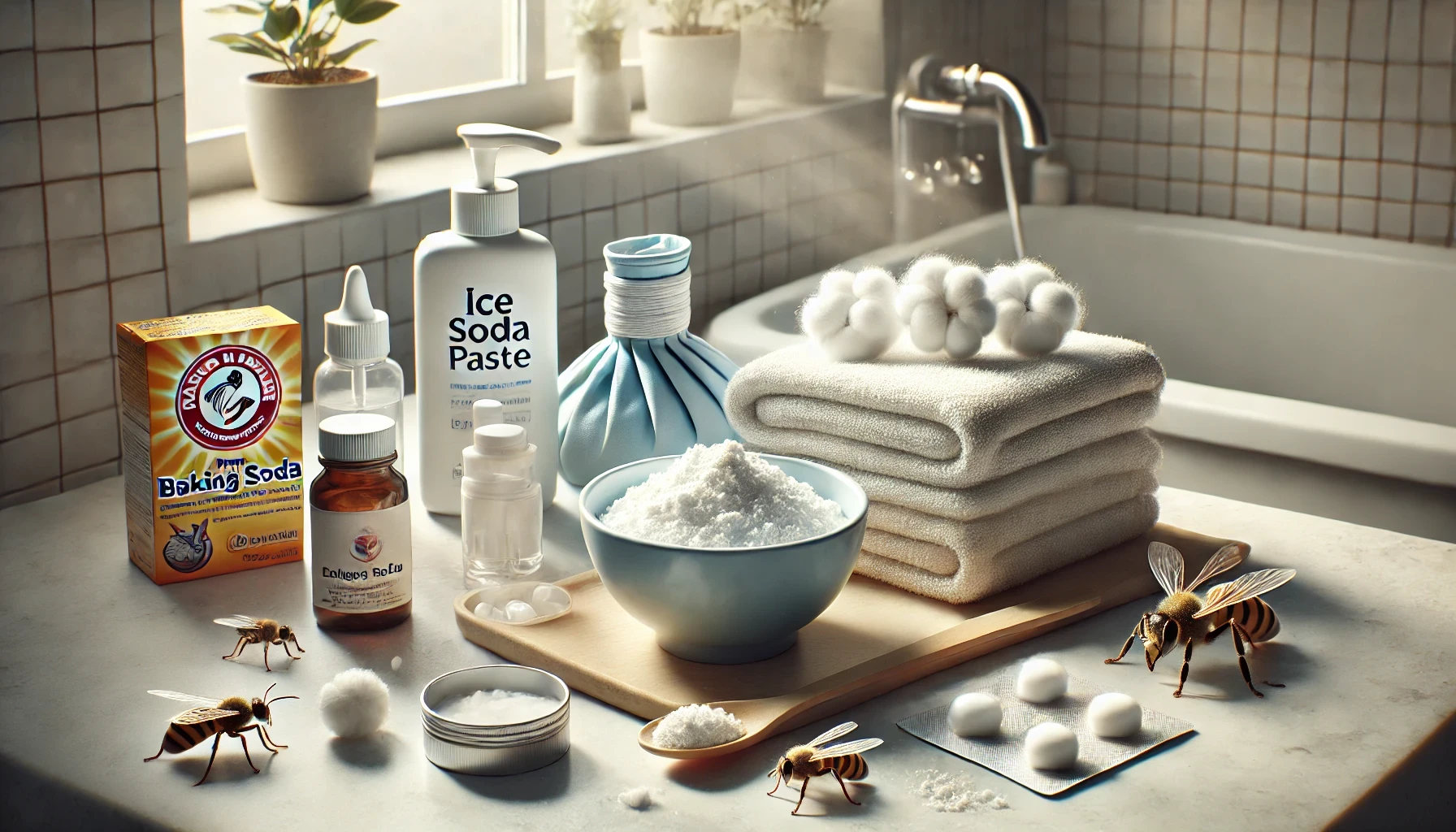
Check out this answer from Consensus: Proper identification and treatment of bug bites and stings are essential to manage symptoms and prevent complications. While most bites and stings can be treated with over-the-counter remedies and home care, severe reactions require prompt medical attention. Understanding the type of insect or animal responsible for the bite or sting can guide appropriate treatment and reduce the risk of severe allergic reactions or infections.
Identifying Bug Bites and Stings
Insect Bites
Insect bites often appear as small red bumps, which can sometimes resemble hives or have a small water blister in the center. Common symptoms include itching and mild swelling. Mosquito bites, for example, are typically itchy and can be treated with calamine lotion, baking soda paste, or over-the-counter hydrocortisone cream. Applying an ice cube wrapped in a wet washcloth for 20 minutes can also provide relief. If these local treatments are ineffective, an oral antihistamine like Benadryl may be used 1.
Painful Bites
Some insect bites can be painful. For these, rubbing the area with a cotton ball soaked in a baking soda solution for 15-20 minutes can help alleviate pain. Additionally, applying an ice cube in a wet washcloth for 20 minutes and taking acetaminophen or ibuprofen can reduce discomfort. It's important to monitor the bite for signs of infection, such as increased redness, swelling, pain, pus, or fever, which would necessitate a visit to a healthcare provider 1.
Bee, Wasp, Hornet, and Yellow Jacket Stings
Stings from bees, wasps, hornets, and yellow jackets can cause significant pain and swelling. The first step in treatment is to remove the stinger, if present, by scraping it off with a fingernail or credit card to avoid squeezing out more venom. Applying a meat tenderizer or baking soda solution on a cotton ball for 20 minutes can help neutralize the venom. Pain relief can be achieved with acetaminophen or ibuprofen, and itching can be managed with Benadryl or hydrocortisone cream. Severe reactions, such as difficulty swallowing or breathing, require immediate medical attention 1 2.
Treatment and Prevention of Bug Bites and Stings
Itchy Insect Bites
Most insect bites and stings can be managed with simple home remedies aimed at controlling itching and preventing secondary infections. For instance, applying calamine lotion, hydrocortisone cream, or a baking soda paste can soothe the affected area. Ice packs can reduce swelling and pain, while oral antihistamines can help with itching 1 2.
Calamine Lotion or Baking Soda Paste: Apply to the affected area to soothe itching.
Hydrocortisone Cream: Over-the-counter 1% hydrocortisone cream can be applied three times daily.
Ice Application: An ice cube wrapped in a wet washcloth can be applied for 20 minutes to reduce swelling and itching.
Oral Antihistamines: If local treatments are ineffective, oral antihistamines like Benadryl can be used 1.
Painful Bites
Baking Soda Solution: Rub the area with a cotton ball soaked in a baking soda solution for 15-20 minutes (avoid the eyes).
Ice Application: Apply an ice cube in a wet washcloth for 20 minutes.
Pain Relievers: Acetaminophen or ibuprofen can be given for pain relief 1.
Bee, Wasp, Hornet, and Yellow Jacket Stings
Stinger Removal: Remove the stinger by scraping it off with a fingernail or credit card.
Meat Tenderizer or Baking Soda Solution: Apply on a cotton ball for 20 minutes (avoid the eyes).
Pain Relievers: Use acetaminophen or ibuprofen for pain.
Antihistamines and Hydrocortisone Cream: Benadryl and over-the-counter 1% hydrocortisone cream can help with itching and swelling 1.
Severe Reactions
In cases of severe allergic reactions, such as those caused by honeybee or fire ant stings, immediate treatment is crucial. These reactions can include systemic symptoms like difficulty breathing, swelling of the face or throat, and anaphylaxis. Patients with known severe allergies should carry an epinephrine auto-injector and seek emergency medical care if stung 2 4.
Emergency Response: Call 911 if there is difficulty swallowing or breathing.
Medical Attention: Seek medical help if redness lasts more than three days, there is a large area of swelling, or signs of infection such as increased pain, pus, or fever are present 1 2.
Preventing Infections
To prevent infections, it's important to keep the bite or sting area clean and avoid scratching. If signs of infection develop, such as increased redness, swelling, or pus, antibiotics may be necessary. In severe cases, steroids might be prescribed to reduce inflammation 2.
Bug bites and stings are common occurrences that can cause a range of reactions from mild irritation to severe allergic responses. Understanding how to identify and treat these bites and stings is crucial for effective management and relief.
By following these guidelines, individuals can effectively manage bug bites and stings, ensuring quick relief and preventing further complications.
Start searching for free in Consensus!
Consensus searches through 220M+ peer reviewed research papers and provides you the best insights from them. Helping you find better papers, faster.

Sign Up