Ocular Hypertension: Causes, Symptoms, and Tests
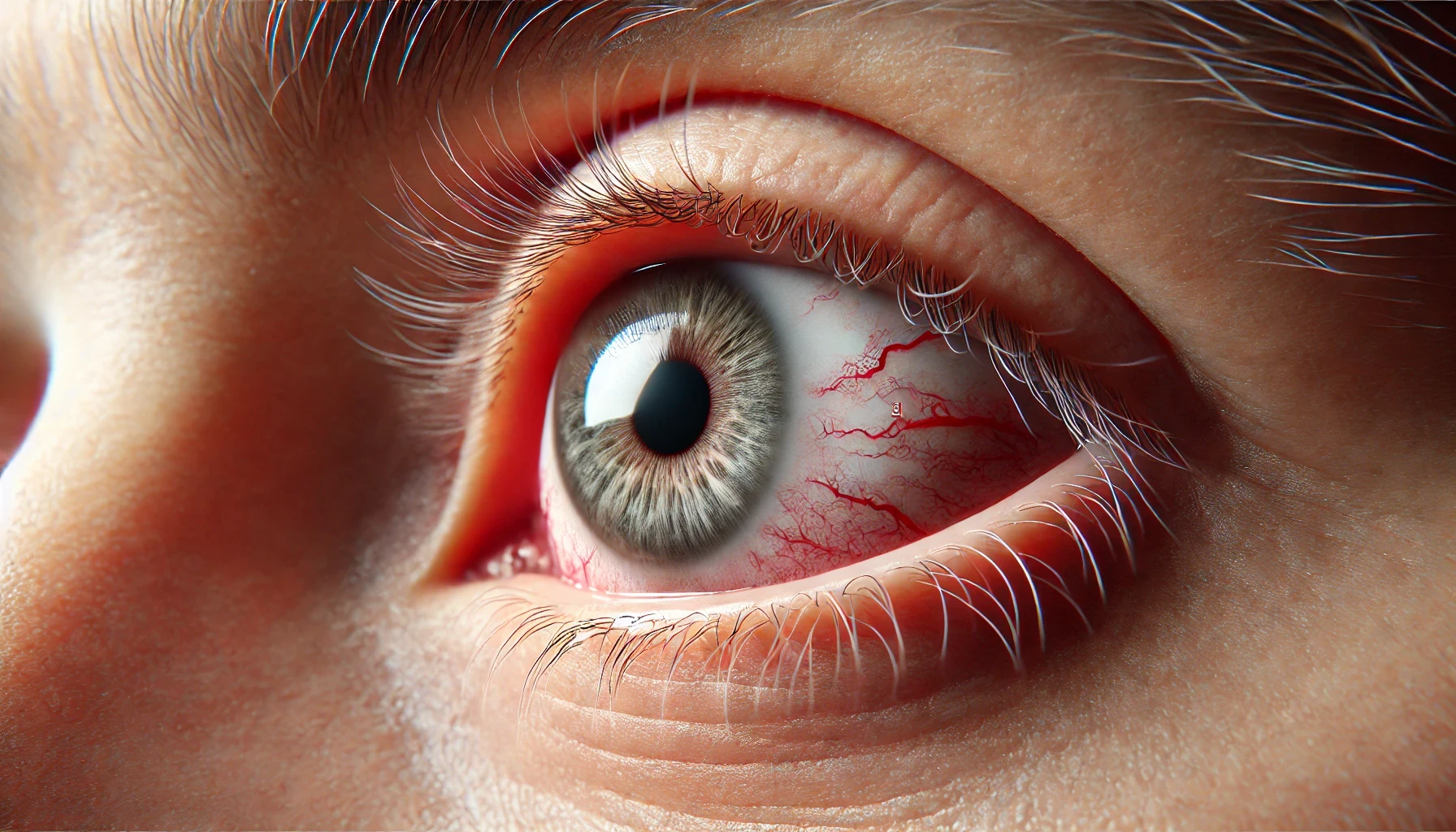
This post was written with Consensus AI Academic Search Engine - please read our Disclaimer at the end of this article. Ocular hypertension is a condition characterized by elevated intraocular pressure, often due to increased episcleral venous pressure. It typically presents without symptoms, making regular eye examinations crucial for early detection. Diagnostic tests such as IOP measurement, OCT, EVP measurement, and assessment of aqueous humor dynamics are essential for diagnosing and understanding OHT. Early detection and monitoring are vital to prevent potential progression to glaucoma and preserve vision.
Causes
Ocular hypertension (OHT) is primarily caused by an imbalance in the production and drainage of aqueous humor, the fluid in the eye. One significant factor contributing to this condition is increased episcleral venous pressure (EVP). Research has shown that chronic intraocular pressure (IOP) elevation can be induced by circumlimbal suture implantation, which leads to higher EVP without causing angle closure in the eye1. This suggests that elevated EVP is a critical factor in the development of OHT.
Symptoms
Ocular hypertension often does not present noticeable symptoms, making it a silent condition that can go undetected without regular eye examinations. However, some individuals may experience symptoms such as:
Blurred vision
Eye pain
Headaches
Halos around lights
These symptoms are not exclusive to OHT and can be indicative of other eye conditions, which underscores the importance of professional diagnosis.
Tests
Several tests are used to diagnose ocular hypertension and monitor its progression:
Intraocular Pressure Measurement: This is the primary test for diagnosing OHT. IOP is measured using tonometry, which can be performed through various methods such as applanation tonometry, non-contact tonometry, and rebound tonometry. Elevated IOP is a key indicator of OHT1.
Optical Coherence Tomography (OCT): OCT is used to assess the anterior segment of the eye, including the depth of the anterior chamber and the iridocorneal angles. This imaging technique helps in ruling out angle closure, which is not typically associated with OHT1.
Episcleral Venous Pressure Measurement: As increased EVP is linked to OHT, measuring EVP can provide insights into the underlying causes of elevated IOP. Studies have shown a significant correlation between IOP and EVP, making this a valuable diagnostic tool1.
Aqueous Humor Dynamics: Evaluating the dynamics of aqueous humor, including total outflow facility (C), uveoscleral outflow (Fu), and aqueous humor flow rate (Fin), can help in understanding the mechanisms behind IOP elevation. Although these parameters may not differ significantly between OHT and control groups, they are essential for a comprehensive assessment1.
Disclaimer
The content presented in this blog is generated by Consensus, an AI-powered academic search engine, and is based on publicly available scientific literature. While every effort is made to provide accurate, up-to-date, and well-researched information, the content is intended for informational and educational purposes only. It does not constitute medical advice, diagnosis, or treatment. Always consult a qualified healthcare professional before making any decisions regarding medical conditions, treatments, or medications. The AI system's analysis may not cover all perspectives, emerging research, or individual cases, and it is not a substitute for professional expertise. Neither the blog publisher nor the developers of the AI-powered search engine are responsible for any actions taken based on the information provided in this content. Use of this information is at your own risk. Citations to the original scientific studies are included for reference, but these studies should be reviewed in full and interpreted with the guidance of a healthcare or research professional. If you are experiencing a medical emergency, please seek immediate attention from a healthcare provider.
Start searching for free in Consensus!
Consensus searches through 220M+ peer reviewed research papers and provides you the best insights from them. Helping you find better papers, faster.

Sign Up