Oil Pulling with Coconut Oil Can Transform Your Dental Health
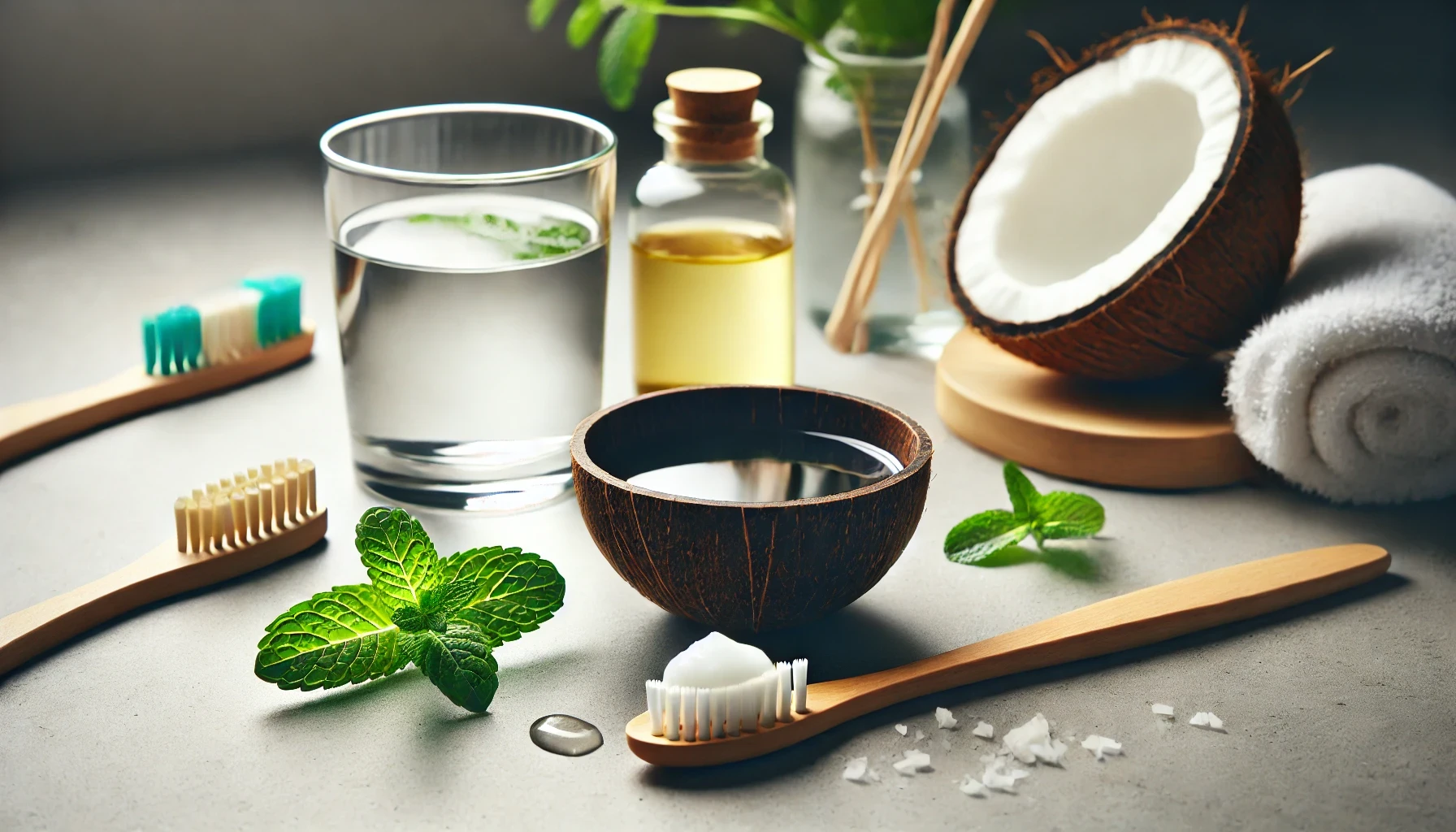
Check out this answer from Consensus: Oil pulling with coconut oil offers a natural and effective way to improve oral health. Scientific studies support its benefits in reducing plaque, gingivitis, and harmful bacteria in the mouth. While more research is needed to fully understand its mechanisms and long-term effects, incorporating coconut oil pulling into your oral hygiene routine could be a valuable addition to maintaining a healthy smile. By integrating this simple practice, you can harness the antimicrobial properties of coconut oil to enhance your dental health and potentially reduce the risk of oral diseases.
What is Oil Pulling?
Oil pulling is an ancient practice that involves swishing oil in the mouth to improve oral hygiene and overall health. Coconut oil is commonly used due to its antimicrobial properties and accessibility. Despite its popularity, scientific evidence on its efficacy and safety is still emerging.
Benefits of Coconut Oil for Oral Health
Reduces Plaque and Gingivitis
Several studies have demonstrated the effectiveness of coconut oil in reducing plaque and gingivitis. A randomized controlled trial involving dental students showed a significant reduction in plaque levels after just seven days of oil pulling with coconut oil compared to a placebo 4. Another study found that coconut oil pulling significantly decreased plaque index (PI) and bleeding index (BI) in patients with plaque-induced gingivitis over a 30-day period 3.
Antimicrobial Properties
Coconut oil has been shown to possess antimicrobial properties that can help reduce the bacterial load in the mouth. A systematic review highlighted that oil pulling with coconut oil significantly reduced salivary bacterial colony count and plaque index score 1. Additionally, a study comparing coconut oil pulling to chlorhexidine mouthrinse found that both methods were effective in reducing oral bacteria, with coconut oil causing less tooth staining 2.
Comparable to Conventional Mouthrinses
Research indicates that coconut oil pulling can be as effective as conventional mouthrinses like chlorhexidine in inhibiting plaque growth. A clinical trial found that oil pulling with coconut oil presented similar plaque inhibition activity to chlorhexidine, with the added benefit of causing less tooth staining 2. Another study confirmed that both coconut oil and chlorhexidine were effective in reducing plaque and gingival indices, suggesting that coconut oil could be a viable alternative for those who prefer natural remedies 8.
How to Practice Oil Pulling with Coconut Oil
Choose High-Quality Coconut Oil: Opt for virgin or extra-virgin coconut oil for the best results.
Measure the Oil: Use about one tablespoon of coconut oil.
Swish the Oil: Swish the oil in your mouth for 10-20 minutes, ensuring it reaches all areas.
Spit It Out: Spit the oil into a trash can to avoid clogging your sink.
Rinse and Brush: Rinse your mouth with water and brush your teeth as usual.
Potential Side Effects
1. Increase in Cholesterol Levels
One of the significant concerns associated with coconut oil is its impact on cholesterol levels. A systematic review and meta-analysis found that coconut oil significantly increases serum total cholesterol, low-density lipoprotein (LDL), and high-density lipoprotein (HDL) cholesterol levels compared to poly- and mono-unsaturated oils 1. This increase in cholesterol levels could pose a risk for individuals with cardiovascular concerns.
2. Oral Health Concerns
While oil pulling with coconut oil has shown some benefits in reducing salivary bacterial colony count and plaque index score, the evidence is not conclusive. A systematic review highlighted that the quality of studies was mixed, and the risk of bias was high 2. Therefore, the long-term effects on oral health remain uncertain.
3. Comparison with Chlorhexidine
A study comparing coconut oil pulling with Chlorhexidine mouthwash found that both significantly reduced Streptococcus mutans count in saliva. However, the study concluded that oil pulling could be a safe and effective alternative to Chlorhexidine 3. Despite this, the lack of comprehensive data means that more research is needed to confirm these findings.
4. Gingival Health
A crossover randomized clinical trial compared the effects of oil pulling with virgin coconut oil (VCO) and palm oil (PO) on gingival health. Both oils significantly reduced the Gingival Index (GI) and Plaque Index (PI) after 28 days. However, there was no significant difference between the two oils, and the study did not include a negative control group 4. This indicates that while oil pulling may have some benefits, its superiority over other oils or methods is not established.
Oil pulling, an ancient Ayurvedic practice, has gained popularity in recent years for its potential benefits in improving oral health. Among the various oils used for this practice, coconut oil stands out due to its antimicrobial properties and accessibility. This article explores how oil pulling with coconut oil can transform your dental health, supported by scientific research.
Start searching for free in Consensus!
Consensus searches through 220M+ peer reviewed research papers and provides you the best insights from them. Helping you find better papers, faster.

Sign Up