
A PhD Student's Research Workflow ⭐
Alvina Lai | PhD Student, Developmental Psychology and Education, OISE, University of Toronto
Today, more of our beliefs are shaped by people we'll never meet: streamers, influencers, politicians, and online creators we spend hours watching. Psychologists call these one-sided attachments parasocial relationships. Alvina Lai, a second-year PhD student in Developmental Psychology and Education at the University of Toronto's Ontario Institute for Studies in Education, researches how one-sided relationships with streamers, influencers, politicians, and other public figures can shape political beliefs and contribute to polarization.
The question is personal. Before she ever studied parasocial relationships, Lai experienced one herself. A charismatic streamer gradually became a constant presence in her life, and without realizing it, she found herself defending someone she'd never met and echoing his opinions as though they were her own. It took real effort to step back. That experience became the starting point for the research she pursues today.
Cross-Disciplinary Research: A problem that lives between fields
Alvina's work pulls from psychology, sociology, psychiatry, political science, and anthropology, and every field speaks its own dialect. The same concept can hide under two different names, or the same name can point at two different concepts. Political scientists sometimes describe parasociality as a form of trust without ever using the word parasocial. If your search depends on matching exact keywords, the most relevant paper in a neighboring discipline is invisible to you.
For years, like most graduate students, Lai relied on Google Scholar. She worked through the literature one sentence at a time: searching with keywords, sifting through papers, and if nothing supported the claim, rewriting the sentence and trying again. The hardest part wasn't reading papers, t was navigating the language barriers between disciplines.
Consensus removes that friction by searching beyond exact keyword matches. Rather than relying on the precise terminology used in psychology, political science, or sociology, it searches across concepts and synonyms, surfacing relevant papers even when different disciplines use different language for the same phenomenon. That means Lai can describe her research question in plain language instead of guessing the exact keywords each field prefers.
Her Workflow
Lai's workflow is built around one principle: understand the landscape before writing.
Rather than searching one keyword at a time, Lai starts with Deep Search and describes the entire research question in natural language. On interdisciplinary topics, she wants the broadest possible picture before deciding where to dig deeper. Consensus returns hundreds of relevant papers, already organized and ranked by quality.
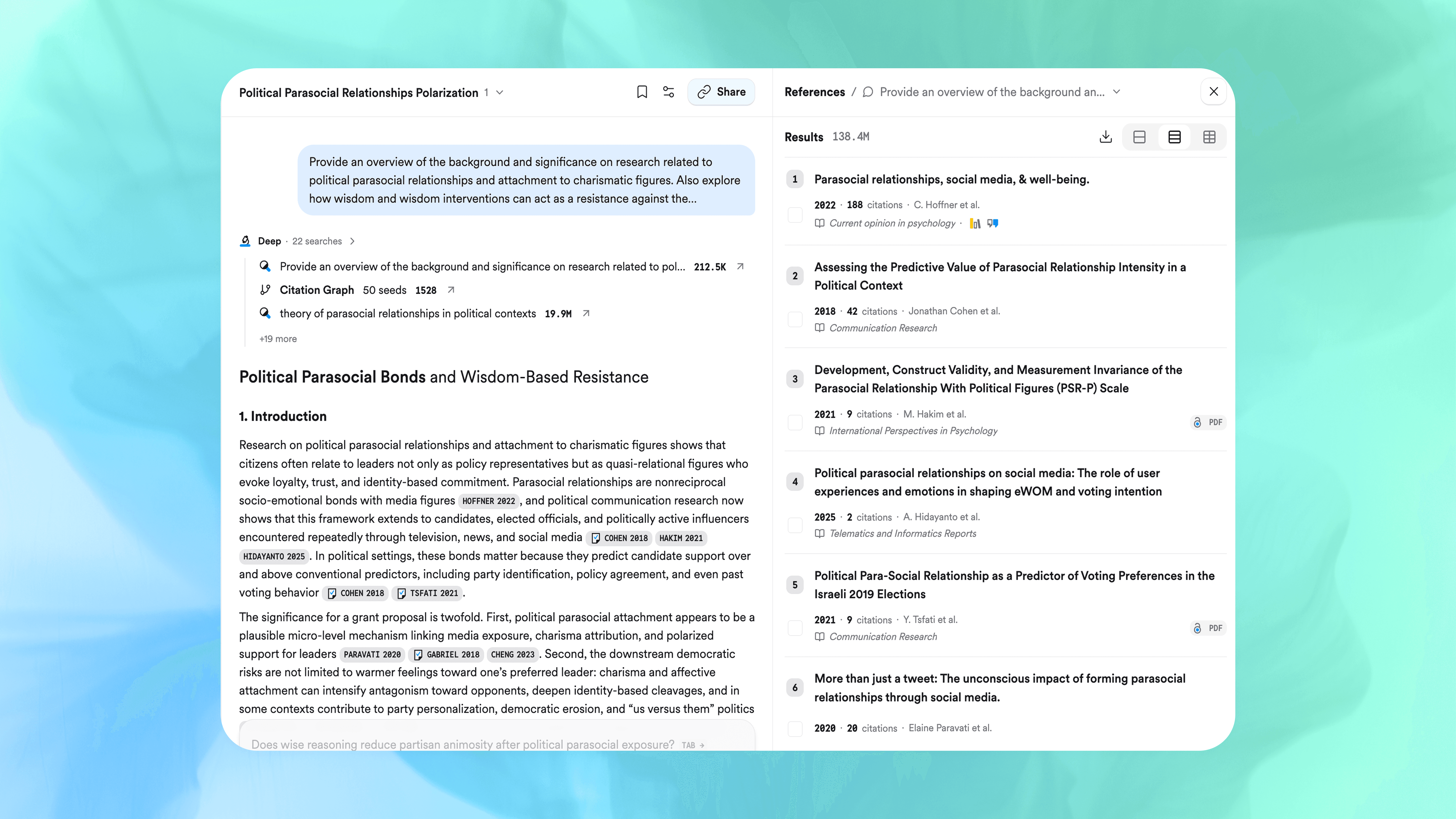
Instead of working through hundreds of search results, Lai starts with the key papers that Consensus identified. She reads the abstracts, saves the most relevant studies to her project collection in her Consensus library, and uses the Claims & Evidence tables to quickly judge how well each finding is supported and which papers underpin them.
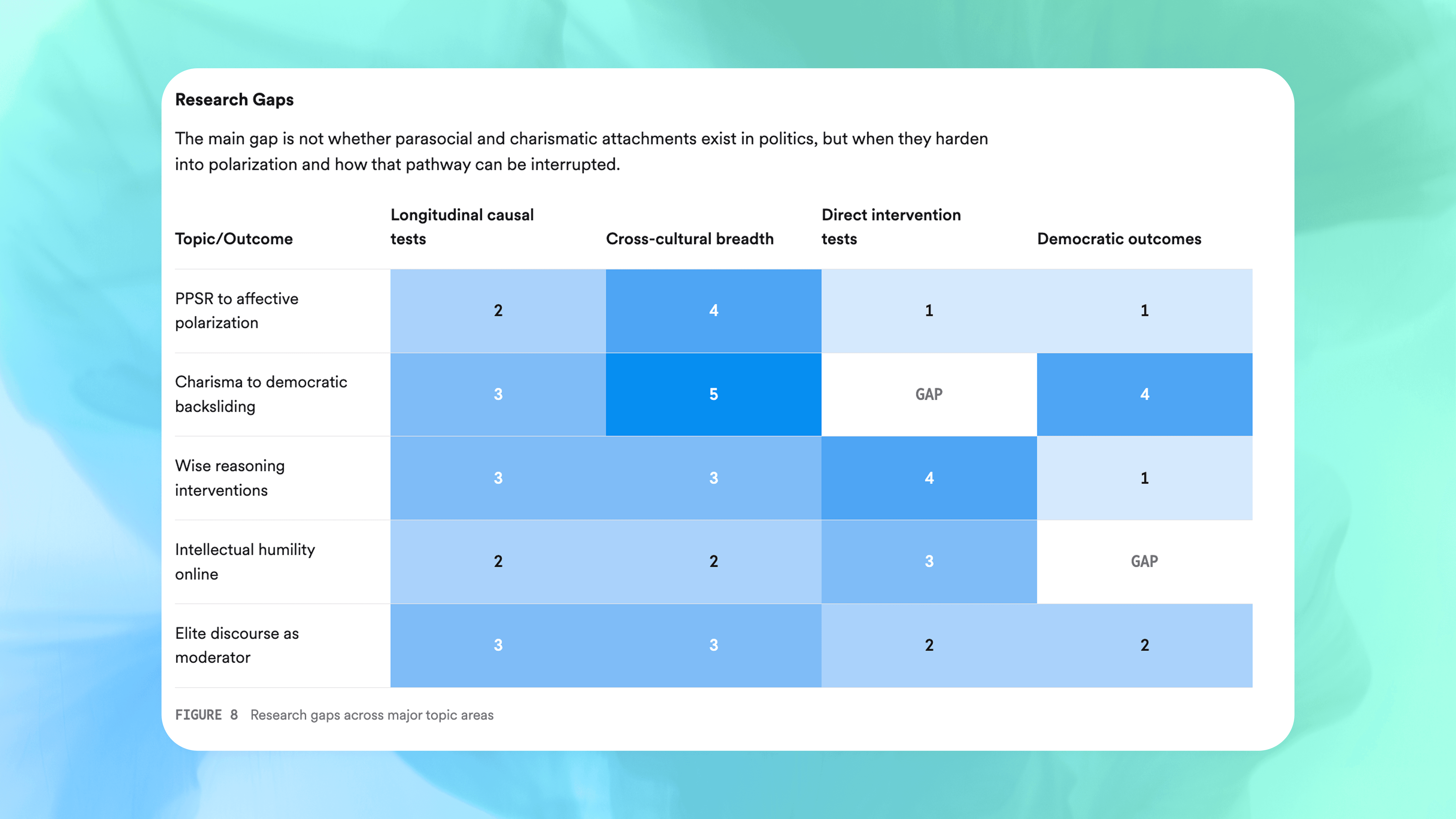
Grant proposals need to justify why a proposed approach deserves funding, which means showing what has already been tried and why it isn't enough. Lai reviews the existing interventions for reducing political polarization and finds that while several approaches show promise, none has proven durable over the long term. That gap becomes the foundation of her grant proposal.
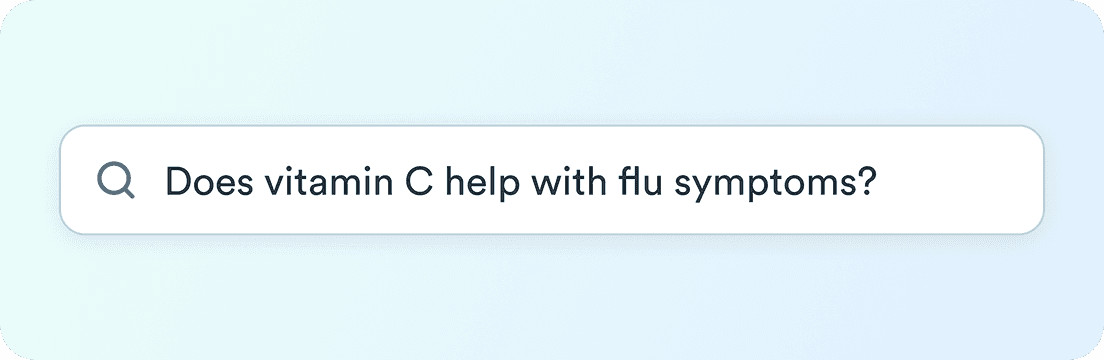
When a sentence feels unsupported, she pastes it into Consensus to check whether the literature backs it. If it does, she has her citation. If not, she rewrites before going further.
Evidence she can actually trust
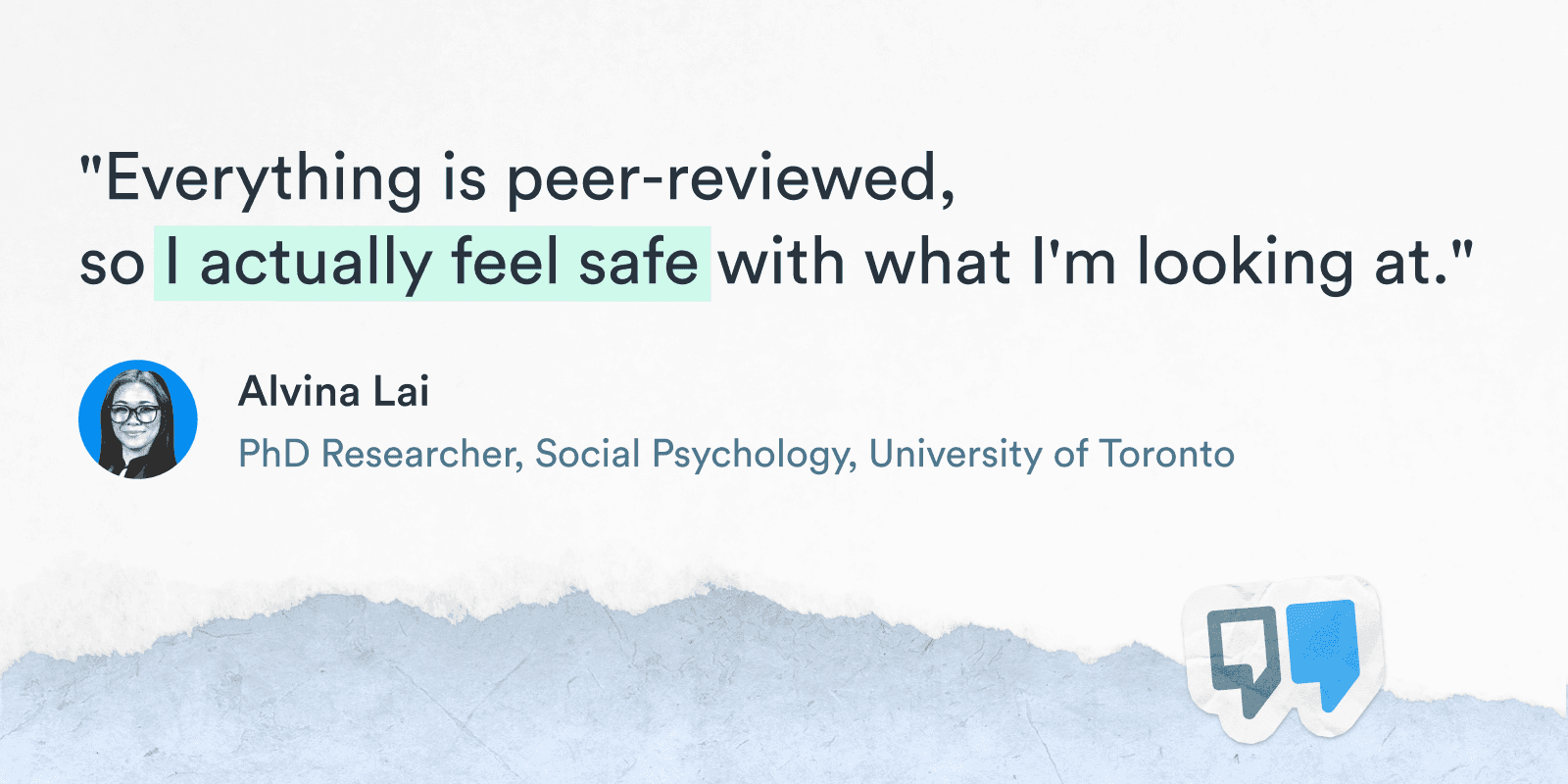
The speed is valuable, but it isn't the only reason why Lai uses Consensus. Like many researchers, she has experimented with ChatGPT. What she doesn't want, though, is a tool that writes for her. She wants one that helps her find better evidence while leaving the interpretation to her.
She is also wary of hallucinations, watches her own undergraduates become increasingly reliant on generative AI, and believes academia is still figuring out where these tools belong. What she values is restraint. Consensus points her to peer-reviewed evidence, shows exactly where claims come from, and lets her decide what the literature means.
That distinction matters to her. The goal isn't to outsource thinking. It's to spend less time searching for evidence and more time thinking critically about it.
Her favorite Consensus features


What Consensus is helping her build
Lai's larger ambition is to find an intervention that does more than reduce political polarization for a week in a laboratory. She wants to understand what helps people think more reflectively, consider multiple perspectives, and resist the pull of one-sided political attachments over the long term.
She came to this research from inside the phenomenon she now studies. The experience of parroting someone else's thoughts, of losing the thread of her own perspective, is what made the question feel urgent. The intellectual humility she studies as a researcher is also what her work demands: staying close to the evidence, thinking across disciplines, and asking whether the literature actually supports what you think you know.
The tool that fits her work is the one that hands her better evidence and then gets out of the way.