
Responding to Women’s Health Misinformation in Real Time
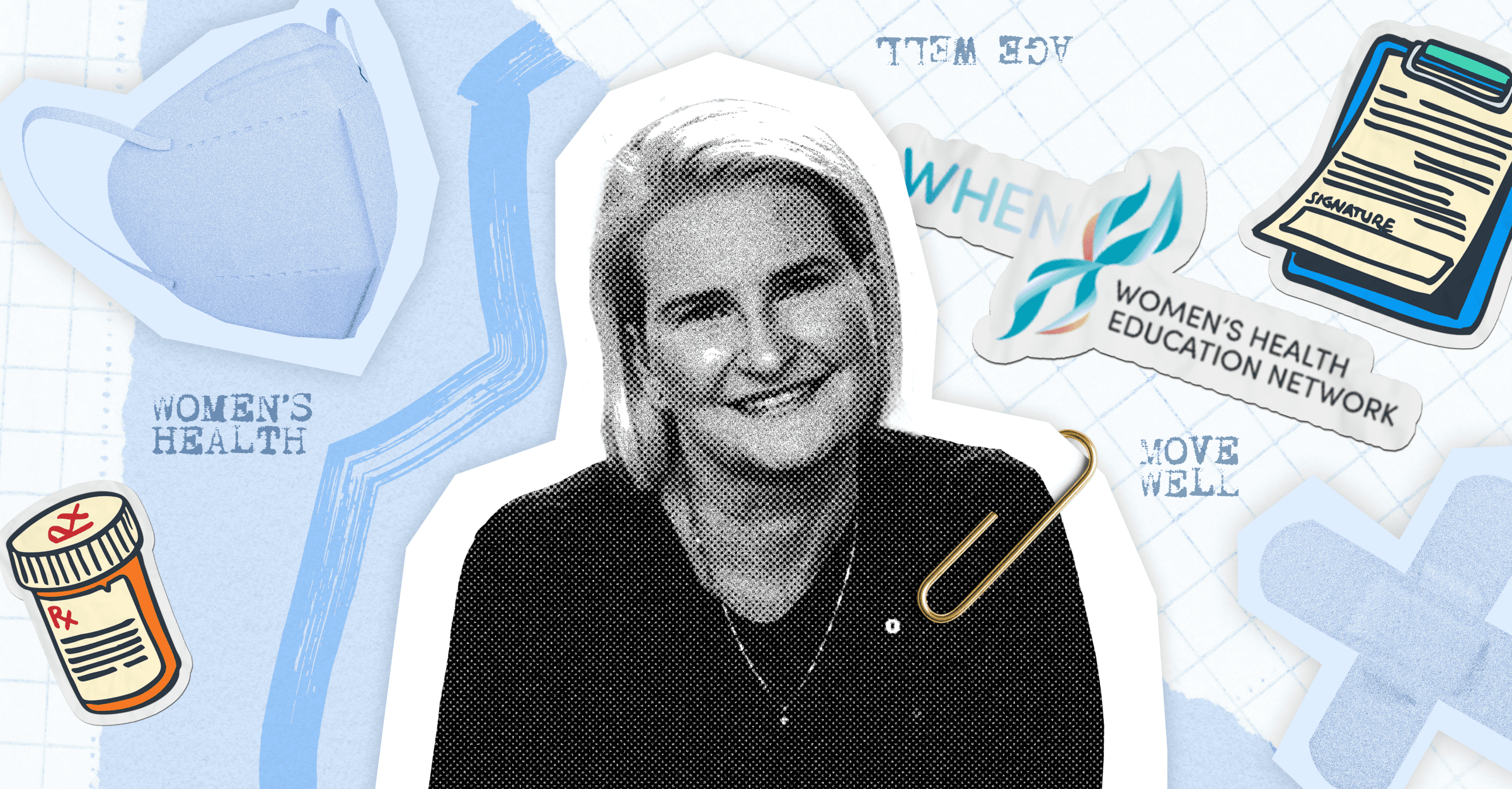
Peta Titter | Founder, Nurse, Women’s health advocate
For more than 35 years, Peta Titter has worked at the intersection of clinical practice, education, and women’s health. As Founder and CEO of the Women's Health Education Network (WHEN), she leads a volunteer-run nonprofit focused on making evidence-based health information more accessible across every stage of a woman's life, from pregnancy and postpartum recovery to menopause and healthy aging.
Women’s health is one of the most misinformation-saturated areas online. Pregnancy advice, fitness trends, and postnatal guidance spread rapidly across social media. Most women are left navigating conflicting claims around life-changing experiences like miscarriage and menopause with little access to clear, evidence-based guidance.
WHEN exists to help close that gap. The organization publishes evidence-based resources, educational content, and formal position statements to help women and healthcare professionals navigate complex or heavily debated health topics.
For a volunteer-run organization working across fast-moving health conversations, speed and access matter. WHEN uses Consensus to quickly review peer-reviewed research, trace claims back to the original papers, and assess what studies actually say before misinformation spreads further.
Consensus helps power WHEN’s position statements and clinical governance documents, giving the team faster access to the peer-reviewed research behind complex and fast-moving women’s health conversations.
A recent example involved two randomized controlled trials on abdominal exercise during pregnancy that were widely interpreted online as proof that exercises like sit-ups are safe during pregnancy. According to WHEN, that conclusion went far beyond what the studies actually demonstrated.
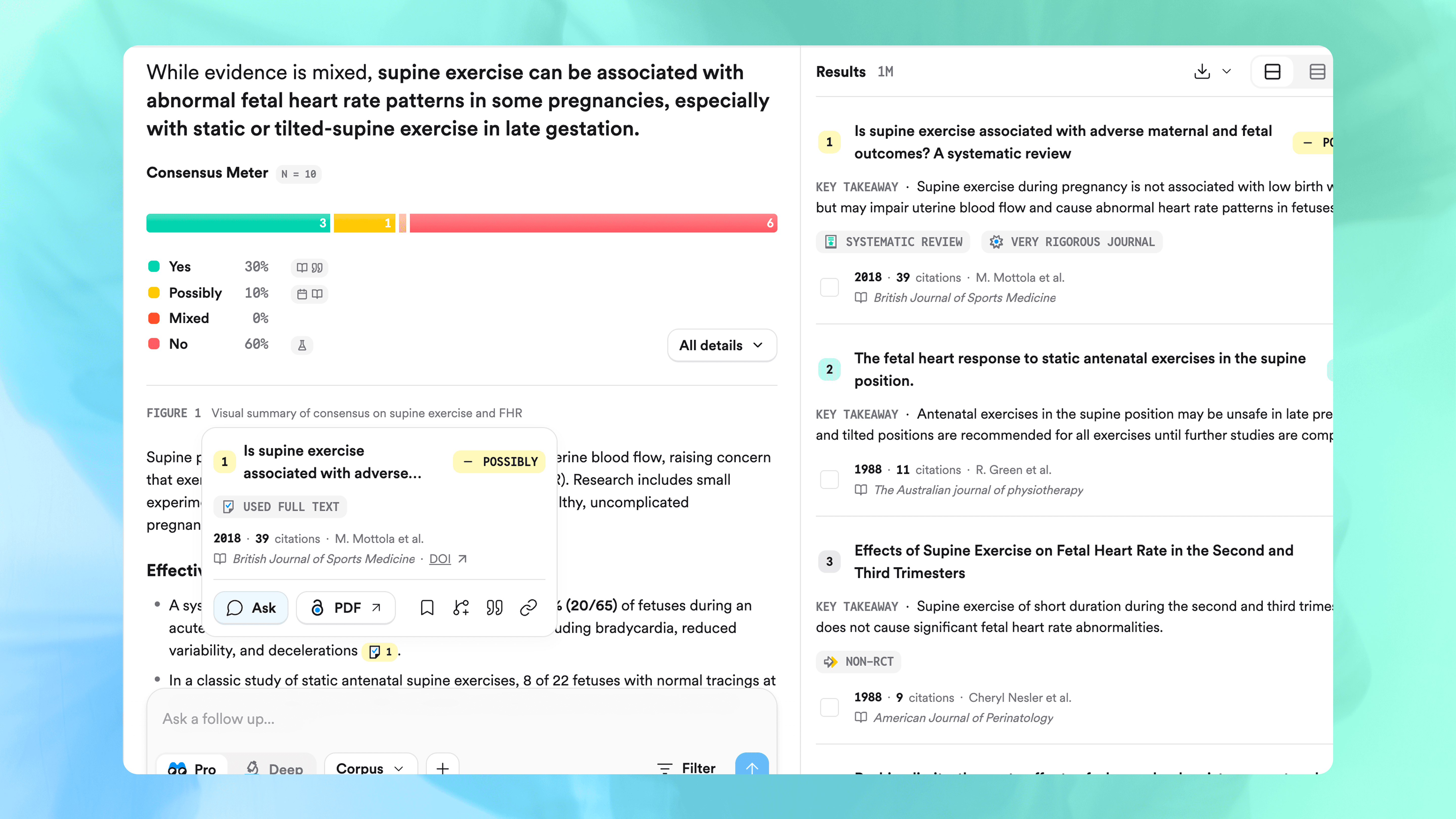
Using Consensus, the team quickly reviewed the peer-reviewed research, examined the original papers, and evaluated how the findings were being interpreted across online health and fitness communities. The result was a formal position statement and supporting clinical governance documents completed while the misinformation was still circulating online. The documents outlined what the studies did and did not show, and why women’s health research requires a broader view than a single measurement alone.
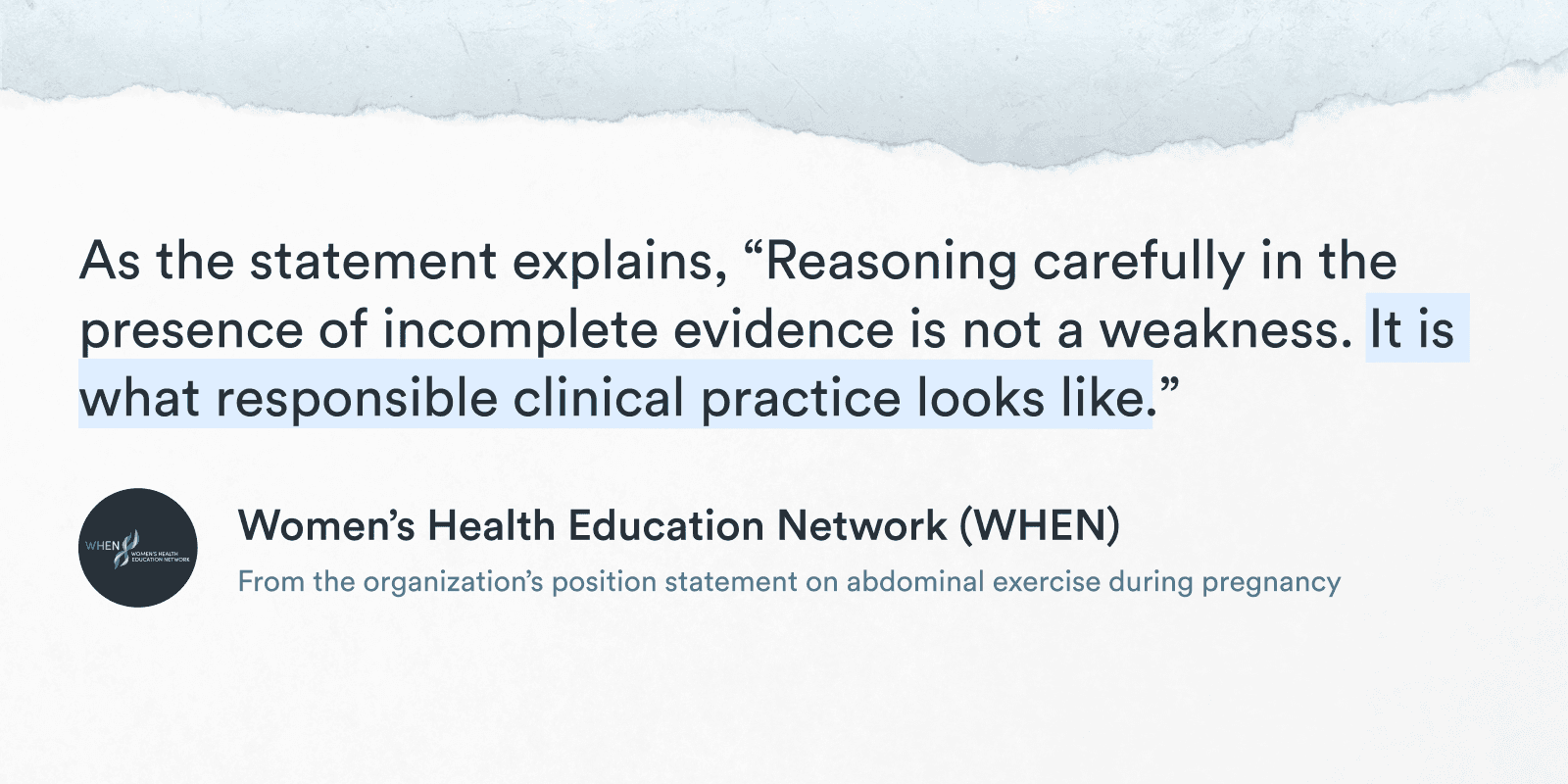
WHEN’s goal is not simply to correct misinformation, but to make high-quality health evidence accessible to people who may never have direct access to specialists, academic journals, or institutional support. For a volunteer-run organization with no research budget, speed is not just a productivity gain; It is an equity issue.
Consensus does not replace the clinical expertise of WHEN’s team. It makes the evidence accessible fast enough for that expertise to reach people while the conversation is still happening.
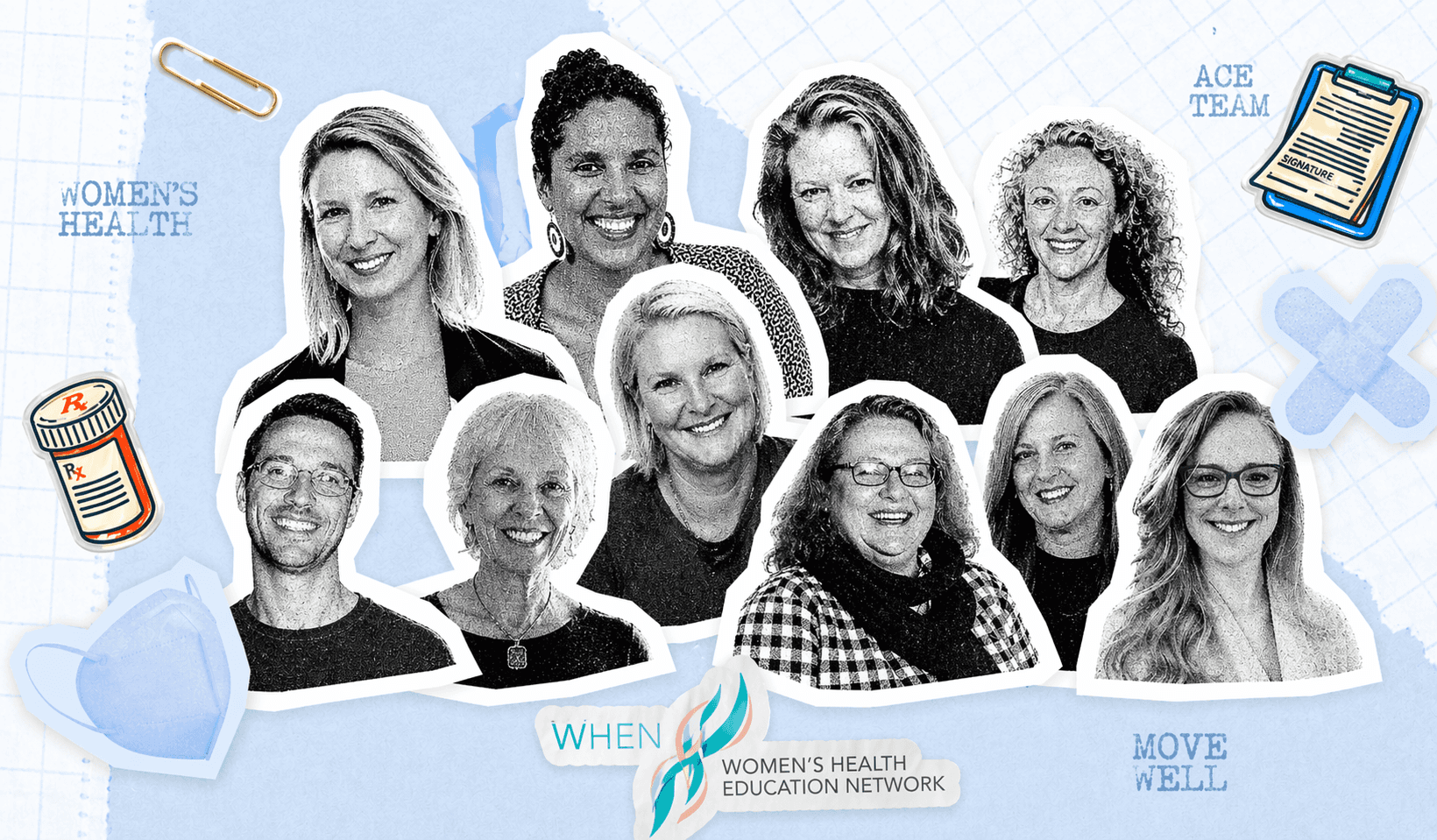
We’re grateful to Peta and the WHEN team for the thoughtful, evidence-driven work they continue to do in women’s health education and advocacy. If you'd like to learn more about their organization, you can visit it here.
Have a story of your own? We'd love to hear it. Email [email protected] or tag us on social media.