Nutrition & Diet

Nutrition & Diet

Nutrition & Diet

Nutrition & Diet

Nutrition & Diet
Nutrition & Diet
The Consensus: Artificial Sweeteners Are Better for You Than Sugar

The Consensus: Artificial Sweeteners Are Better for You Than Sugar

Saccharin – the first artificial sweetener - was discovered by accident when, in 1879, Professor Ira Remsen from Johns Hopkins University noticed a sweet substance on his hands after experimenting with different chemicals in the laboratory. Saccharin quickly became extremely popular, mainly due to how cheap it was. It was particularly widespread during World War II, when real sugar was in short supply. Today, artificial sweeteners are central to the huge market of diet and sugar-free food and drinks. Their attraction today is not only how cheap they are, but their potential to combat the increasing threat of obesity and its associated health impacts. Saccharin is over 200 times sweeter than sugar but has zero calories. Does this mean that we should replace all sugar with artificial sweeteners? Or are there more factors to consider? We asked 8 experts “Are artificial sweeteners better for you than sugar?”. The consensus was 63% ‘likely’. Here is what we found out. This consensus is based on 8 experts answers from this question: Are artificial sweeteners better for you than sugar?What are artificial sweeteners and how do they work?Artificial sweeteners provide the sweet taste of sugar but without the calories. There are two broad categories of artificial sweeteners: sugar alcohols and high intensity sweeteners. Sugar alcohols are structurally similar to sugars but less readily metabolised, whereas high intensity sweeteners are small compounds many times sweeter than sugar. The high intensity sweeteners include saccharin and aspartame.Even though artificial sweeteners provide minimal to no calories that does not mean they are inert. Artificial sweeteners interact with the T1R-family of sweet-taste receptors in the mouth and gut, which can have metabolic effects. They may also interact with the bacteria that make up the gut microbiome. Different sweeteners might differ in their effect on the body.

The Consensus: Artificial Sweeteners Are Better for You Than Sugar

The Consensus: Artificial Sweeteners Are Better for You Than Sugar

Saccharin – the first artificial sweetener - was discovered by accident when, in 1879, Professor Ira Remsen from Johns Hopkins University noticed a sweet substance on his hands after experimenting with different chemicals in the laboratory. Saccharin quickly became extremely popular, mainly due to how cheap it was. It was particularly widespread during World War II, when real sugar was in short supply. Today, artificial sweeteners are central to the huge market of diet and sugar-free food and drinks. Their attraction today is not only how cheap they are, but their potential to combat the increasing threat of obesity and its associated health impacts. Saccharin is over 200 times sweeter than sugar but has zero calories. Does this mean that we should replace all sugar with artificial sweeteners? Or are there more factors to consider? We asked 8 experts “Are artificial sweeteners better for you than sugar?”. The consensus was 63% ‘likely’. Here is what we found out. This consensus is based on 8 experts answers from this question: Are artificial sweeteners better for you than sugar?What are artificial sweeteners and how do they work?Artificial sweeteners provide the sweet taste of sugar but without the calories. There are two broad categories of artificial sweeteners: sugar alcohols and high intensity sweeteners. Sugar alcohols are structurally similar to sugars but less readily metabolised, whereas high intensity sweeteners are small compounds many times sweeter than sugar. The high intensity sweeteners include saccharin and aspartame.Even though artificial sweeteners provide minimal to no calories that does not mean they are inert. Artificial sweeteners interact with the T1R-family of sweet-taste receptors in the mouth and gut, which can have metabolic effects. They may also interact with the bacteria that make up the gut microbiome. Different sweeteners might differ in their effect on the body.

The Consensus: Artificial Sweeteners Are Better for You Than Sugar

The Consensus: Artificial Sweeteners Are Better for You Than Sugar

Saccharin – the first artificial sweetener - was discovered by accident when, in 1879, Professor Ira Remsen from Johns Hopkins University noticed a sweet substance on his hands after experimenting with different chemicals in the laboratory. Saccharin quickly became extremely popular, mainly due to how cheap it was. It was particularly widespread during World War II, when real sugar was in short supply. Today, artificial sweeteners are central to the huge market of diet and sugar-free food and drinks. Their attraction today is not only how cheap they are, but their potential to combat the increasing threat of obesity and its associated health impacts. Saccharin is over 200 times sweeter than sugar but has zero calories. Does this mean that we should replace all sugar with artificial sweeteners? Or are there more factors to consider? We asked 8 experts “Are artificial sweeteners better for you than sugar?”. The consensus was 63% ‘likely’. Here is what we found out. This consensus is based on 8 experts answers from this question: Are artificial sweeteners better for you than sugar?What are artificial sweeteners and how do they work?Artificial sweeteners provide the sweet taste of sugar but without the calories. There are two broad categories of artificial sweeteners: sugar alcohols and high intensity sweeteners. Sugar alcohols are structurally similar to sugars but less readily metabolised, whereas high intensity sweeteners are small compounds many times sweeter than sugar. The high intensity sweeteners include saccharin and aspartame.Even though artificial sweeteners provide minimal to no calories that does not mean they are inert. Artificial sweeteners interact with the T1R-family of sweet-taste receptors in the mouth and gut, which can have metabolic effects. They may also interact with the bacteria that make up the gut microbiome. Different sweeteners might differ in their effect on the body.

Join leading universities using
Consensus today

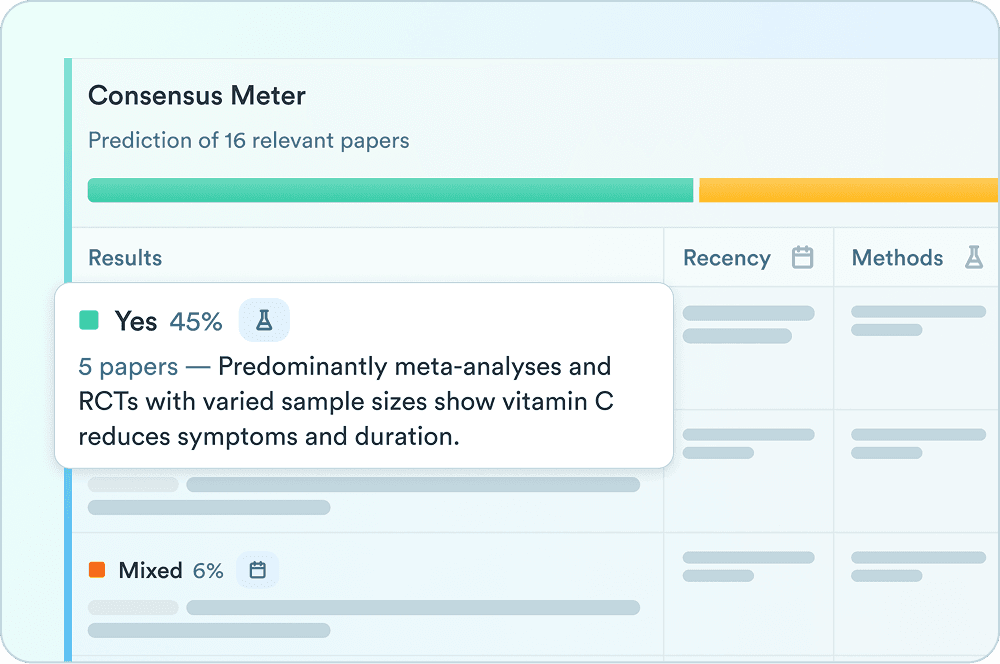
Consensus is an AI-powered search engine for academic research. Consensus helps students, researchers and faculty quickly find and understand peer-reviewed literature.
Join leading universities using
Consensus today

Consensus is an AI-powered search engine for academic research. Consensus helps students, researchers and faculty quickly find and understand peer-reviewed literature.

Join leading universities using
Consensus today

Consensus is an AI-powered search engine for academic research. Consensus helps students, researchers and faculty quickly find and understand peer-reviewed literature.