Topic Review

Topic Review

Topic Review

Topic Review

Topic Review

Topic Review

Topic Review: Climate ChangeIs there evidence that climate change is impacting the Great Barrier Reef?Would switching to organic farming cut greenhouse gas emissions?How 2°C, then 1.5°C became the warming limitCan the world decarbonise without nuclear power?Is it possible to sustain our current standards of living and also slow down climate change?Is 1.5 degree celsius warming locked-in, even if we reduce carbon emissions to zero tomorrow?

Topic Review: Climate Change

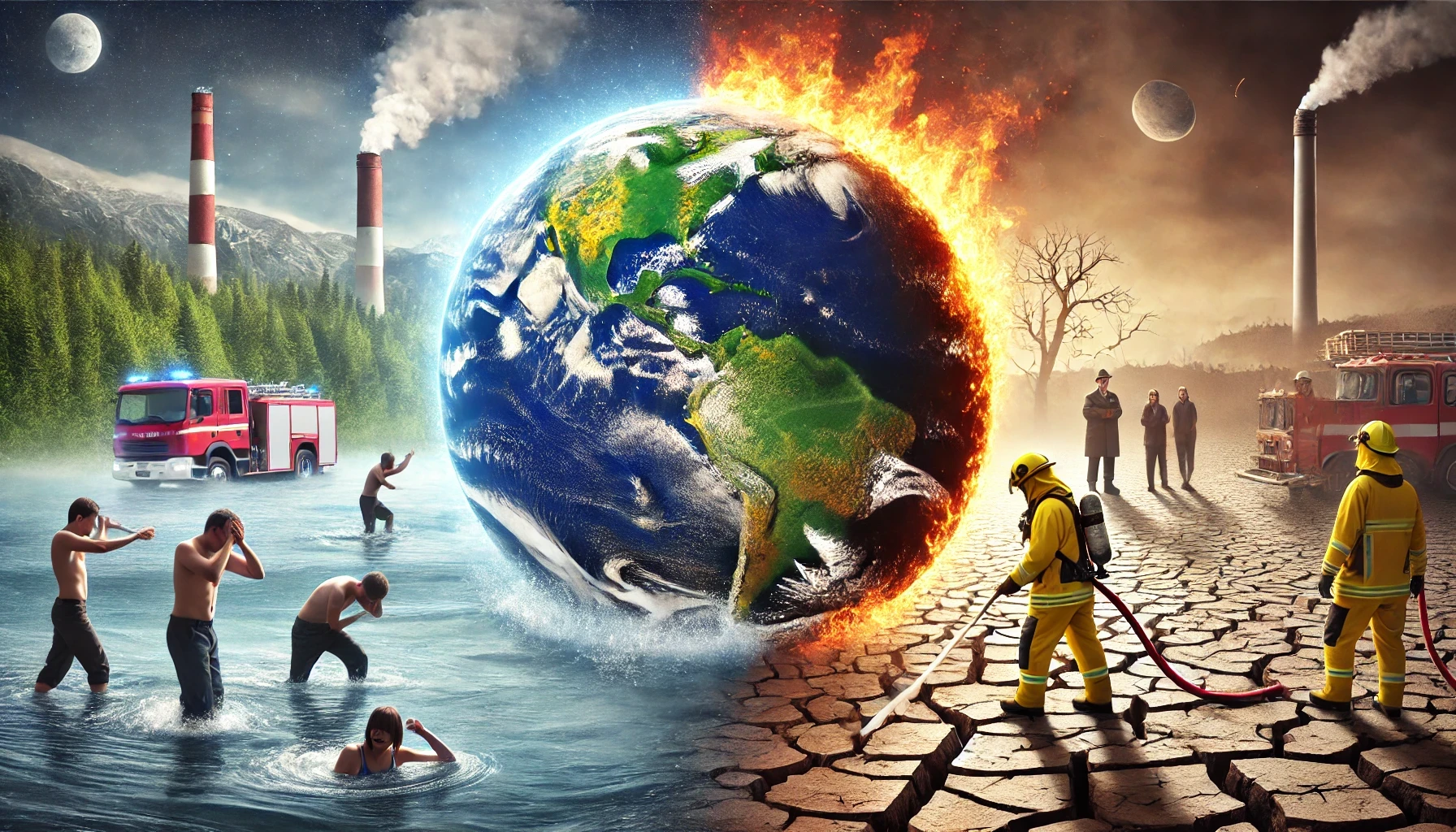
INTRODUCTIONClimate changes are long-term shifts in climate patterns indicative from things like temperature and rainfall. Historically, these changes have been naturally triggered by volcanic eruptions, asteroid impacts or wobbles in Earths orbit. Yet after a stable climate for about five thousand years, the earth has warmed around 1ºC just in the last 150 years (from pre-industrial levels, 1850-1900). This is something entirely different. Why?First, while natural climate change occurs over tens of thousands to millions of years, today's change is taking place over just a century or two. That means the current speed of warming is the fastest in earths recorded history, being more than 10-20 times faster than natural past climate changes.The second main difference is the reason behind this unprecedented global shift. This time, no volcanoes or asteroids are involved. Instead, we humans are to blame. More specifically, human activities releasing “greenhouse gases” (mainly carbon dioxide [CO2], methane and nitrous oxide) are driving it. Such compounds absorb infrared radiation (as a greenhouse would), thereby trapping heat in the atmosphere and warming the Earth. Indeed, greenhouse gases sustain life on our planet, and their absence would cause a drop of 33ºC in the average temperature on the surface. However, the finely regulated balance of gas levels ended when we began burning fossil fuels. While CO2 was present at 280 parts per million (ppm), 367 ppm were recorded in 1999 and it’s up to 415 ppm as we write this review. If you are wondering, the last time CO2 levels were so high was a whole 3 million years ago.

Join leading universities using
Consensus today

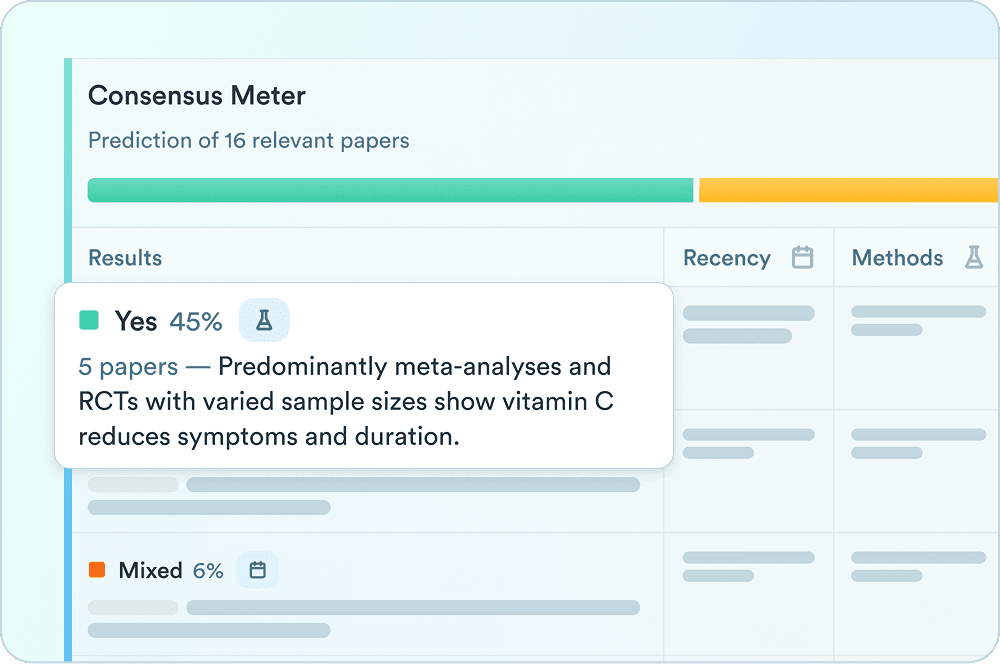
Consensus is an AI-powered search engine for academic research. Consensus helps students, researchers and faculty quickly find and understand peer-reviewed literature.
Join leading universities using
Consensus today

Consensus is an AI-powered search engine for academic research. Consensus helps students, researchers and faculty quickly find and understand peer-reviewed literature.

Join leading universities using
Consensus today

Consensus is an AI-powered search engine for academic research. Consensus helps students, researchers and faculty quickly find and understand peer-reviewed literature.